Tabletop Roleplaying Games Portfolio
Where my career started, and where my passion continues.
I began my professional game design career as a freelance designer, working on the Star Wars and Dungeons & Dragons franchises. In 2007, I was hired by Wizards of the Coast to be the lead designer of their Star Wars Roleplaying Game product line, so I move to Seattle and began working full-time on RPGs.
While there, I had the privilege of working on many exciting products, and was fortunate enough to get an experience that few designers ever will: designing a new edition of Dungeons & Dragons. As a part of the core design team for 5th Edition D&D from its earliest inception all the way through the publication of its core books, 5th Edition is truly one of my proudest achievements and one of the games that has the most of my soul in it.
These days, I continue to design tabletop RPGs for my own self-publishing company, Scratchpad Publishing.

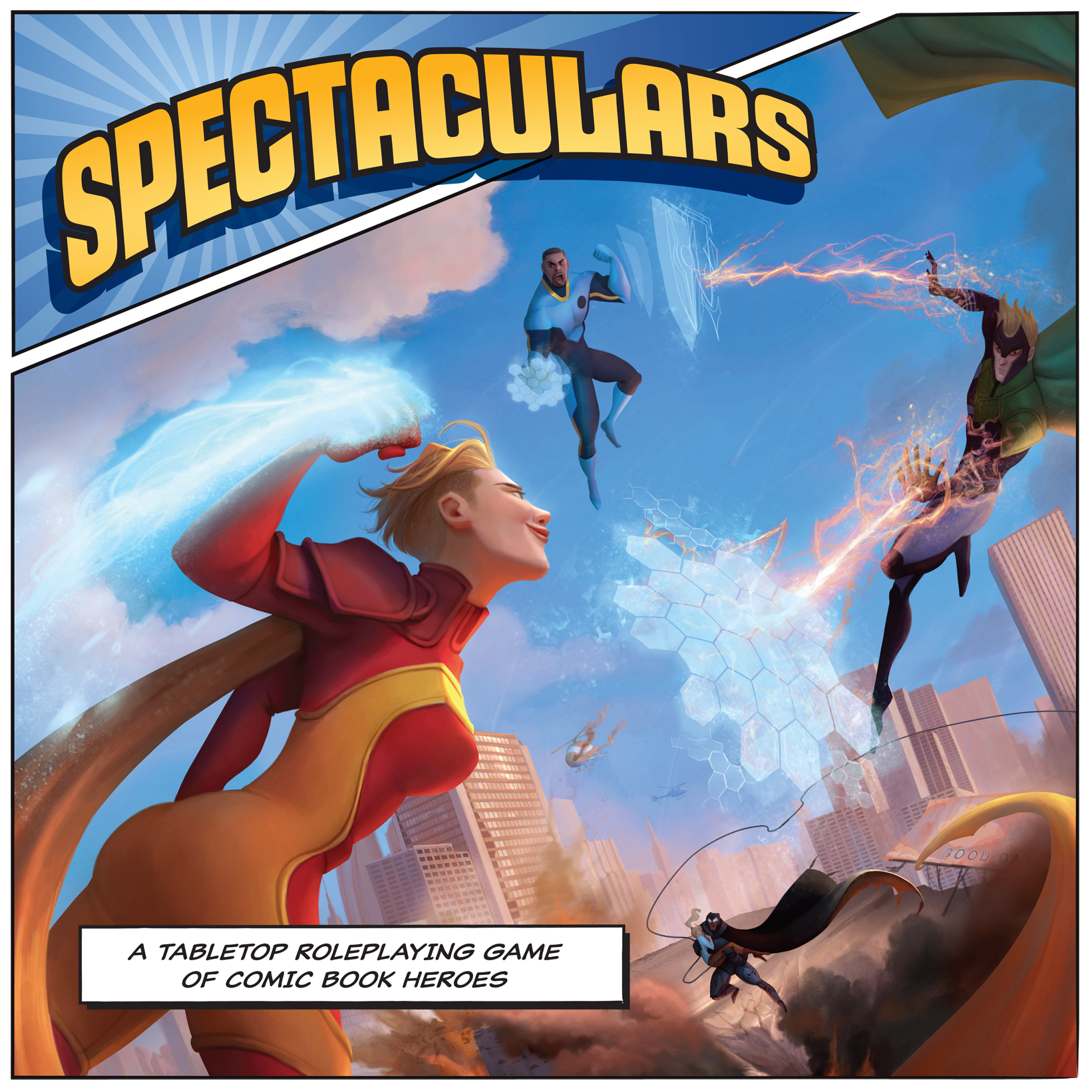
My most recent roleplaying game, funded on Kickstarter in 2025 and releasing in 2026.
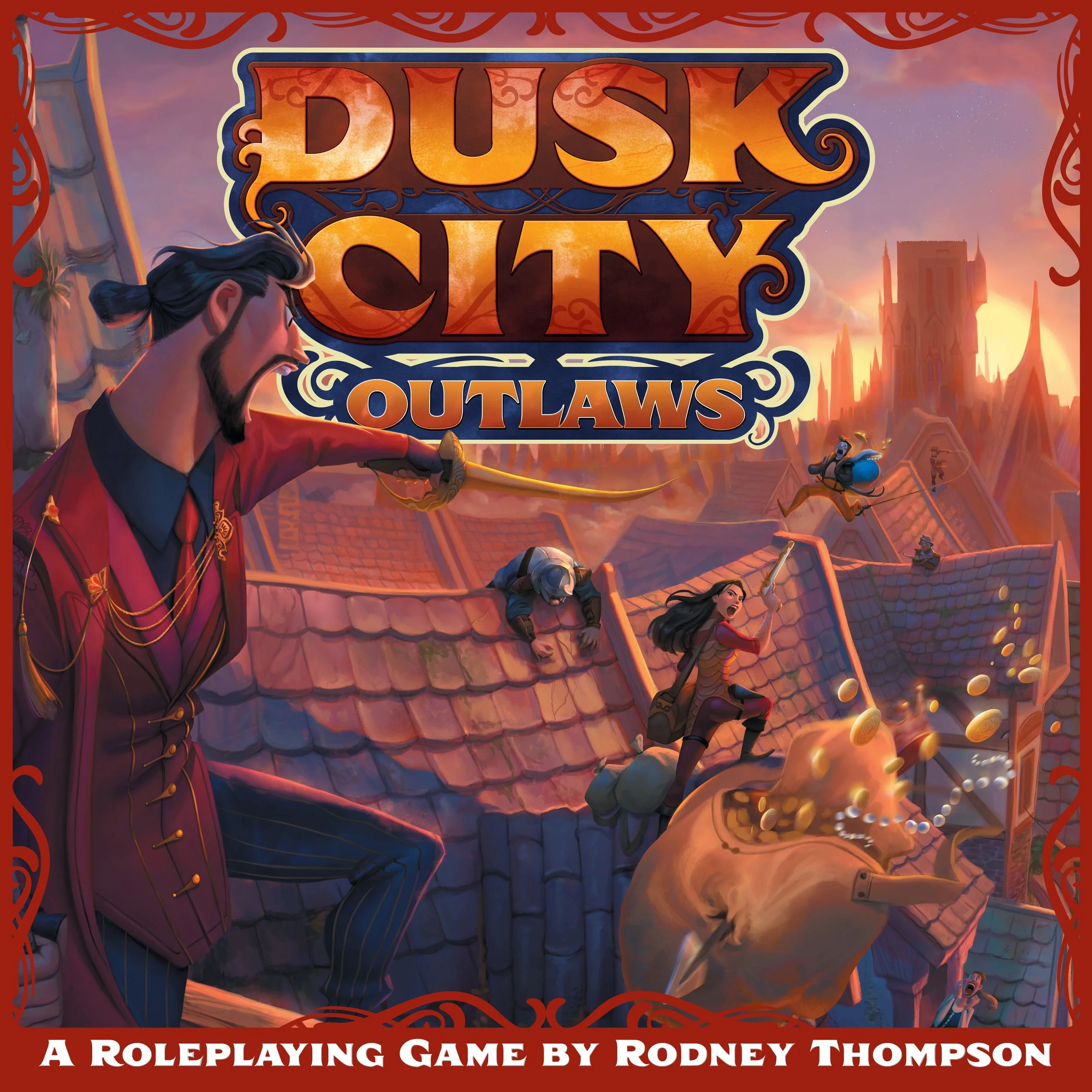
My second self-published box set roleplaying game. This one shipped to backers in February 2020, right as the pandemic began. Needless to say, this was not the best timing for my game built around facilitating at-the-table-play.
The first thing I've ever designed that I own. This is the first release from my personal imprint, Scratchpad Publishing. Like all of my personal projects, I handled product design, game design, writing, art direction, and production of the entire product, so I feel as though this is a true representation of me as a designer.
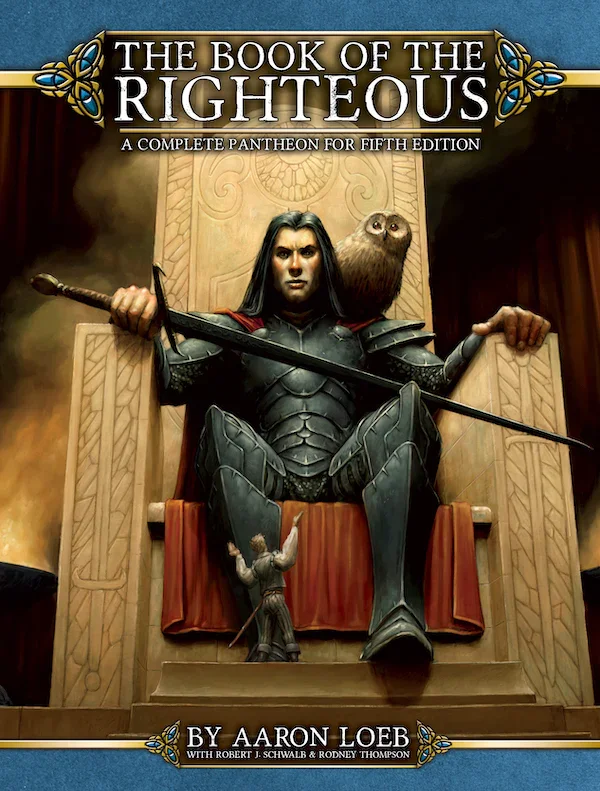
Designer. The original Book of the Righteous for 3rd Edition was a foundational tome for me as a D&D player, and I used it as the pantheon for my home campaigns. When I learned that Green Ronin was producing a version for 5th Edition, I reached out and was thrilled to be able to contribute the game mechanics of the book, working alongside my long-time friend in the industry Robert J. Schwalb.
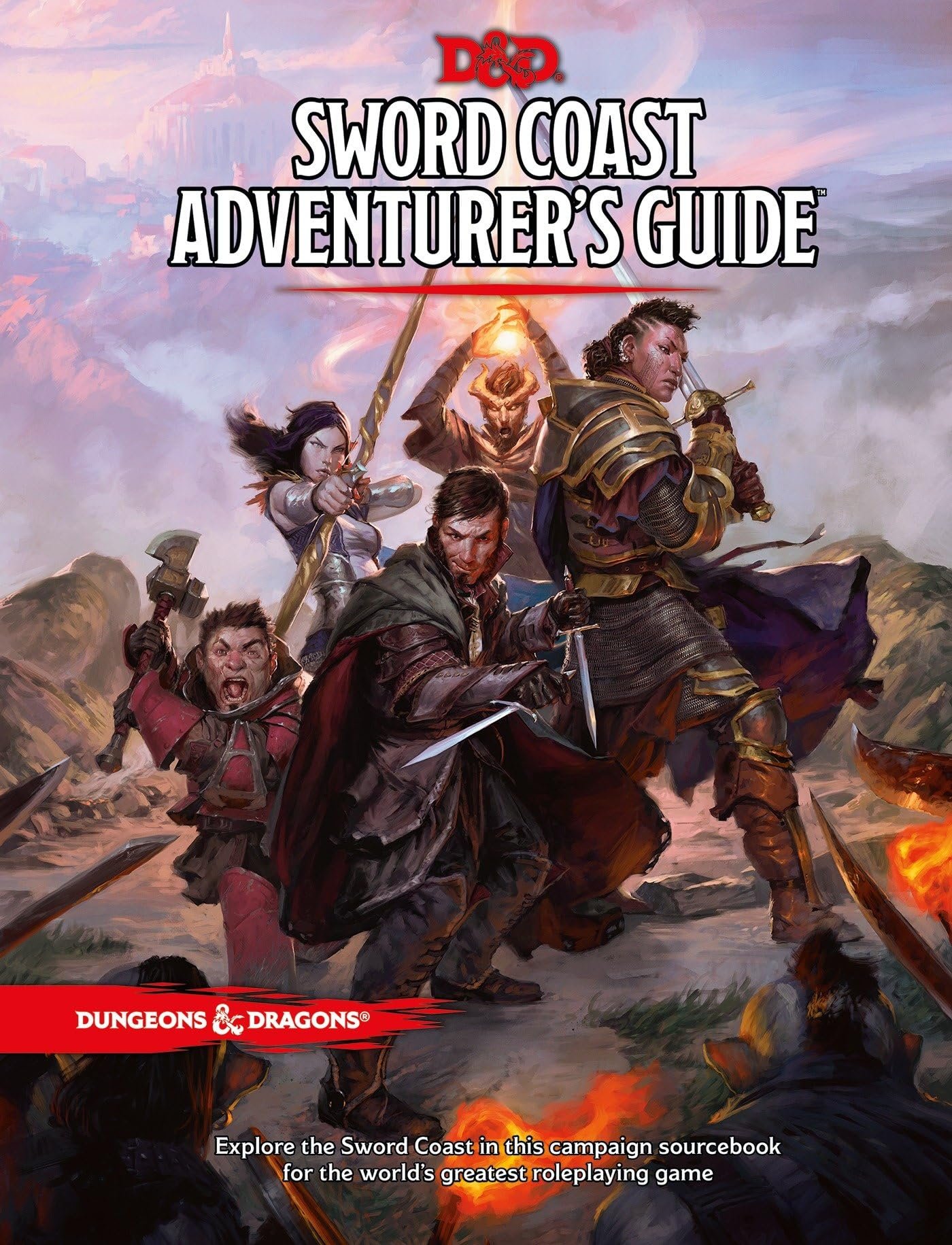
Developer
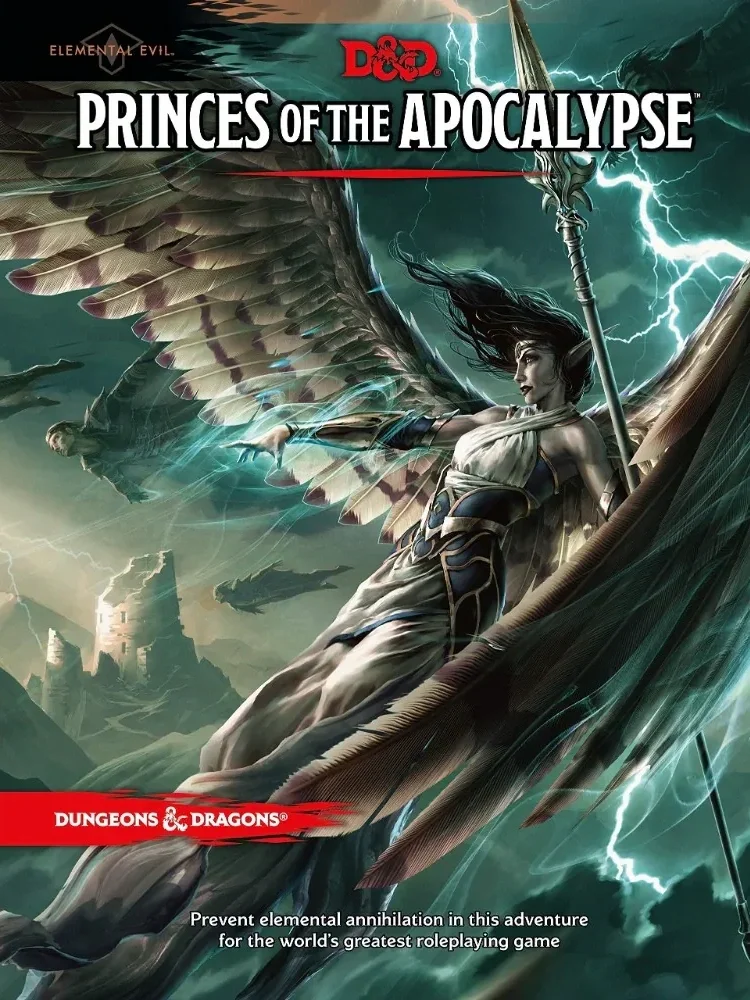
Developer
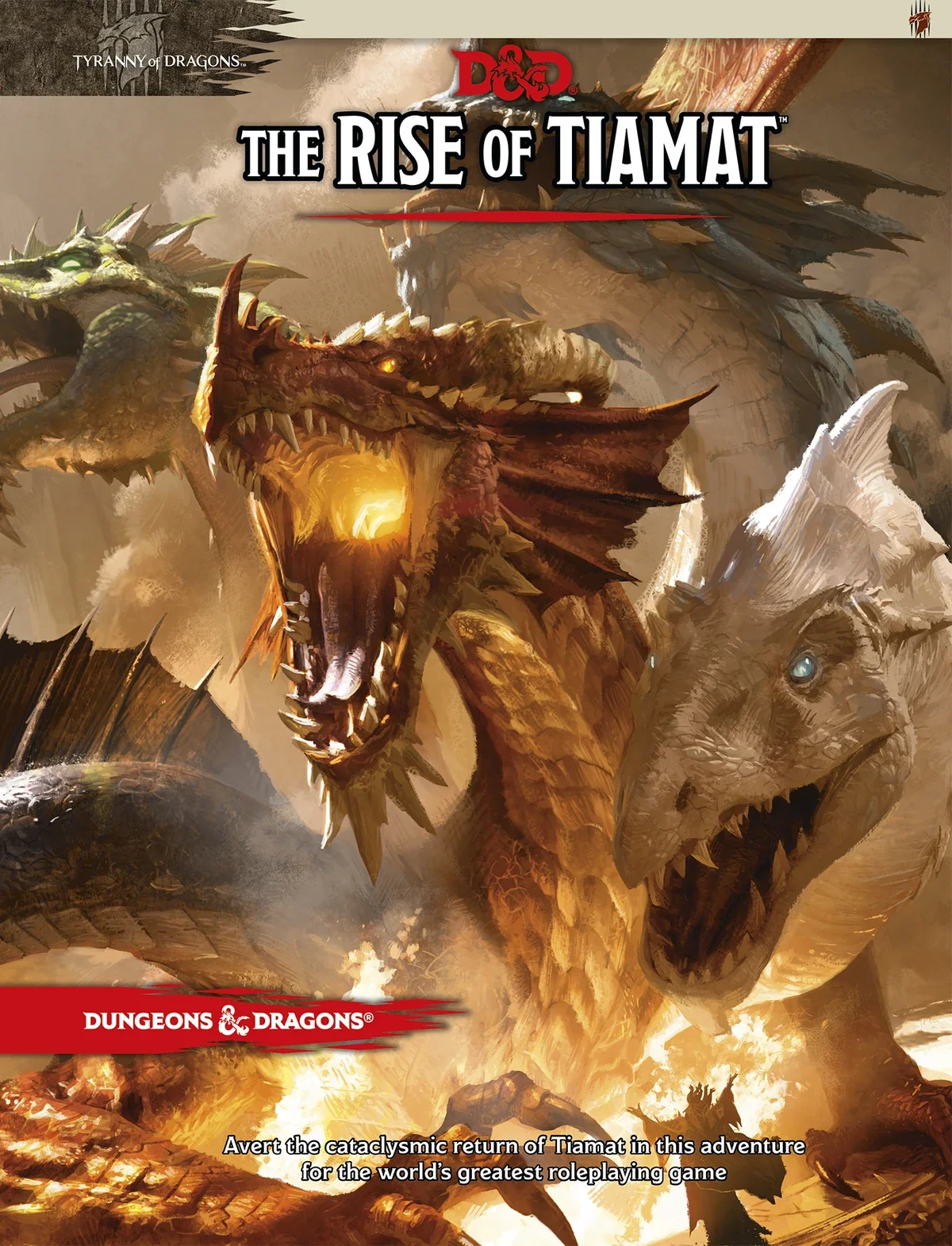
Developer
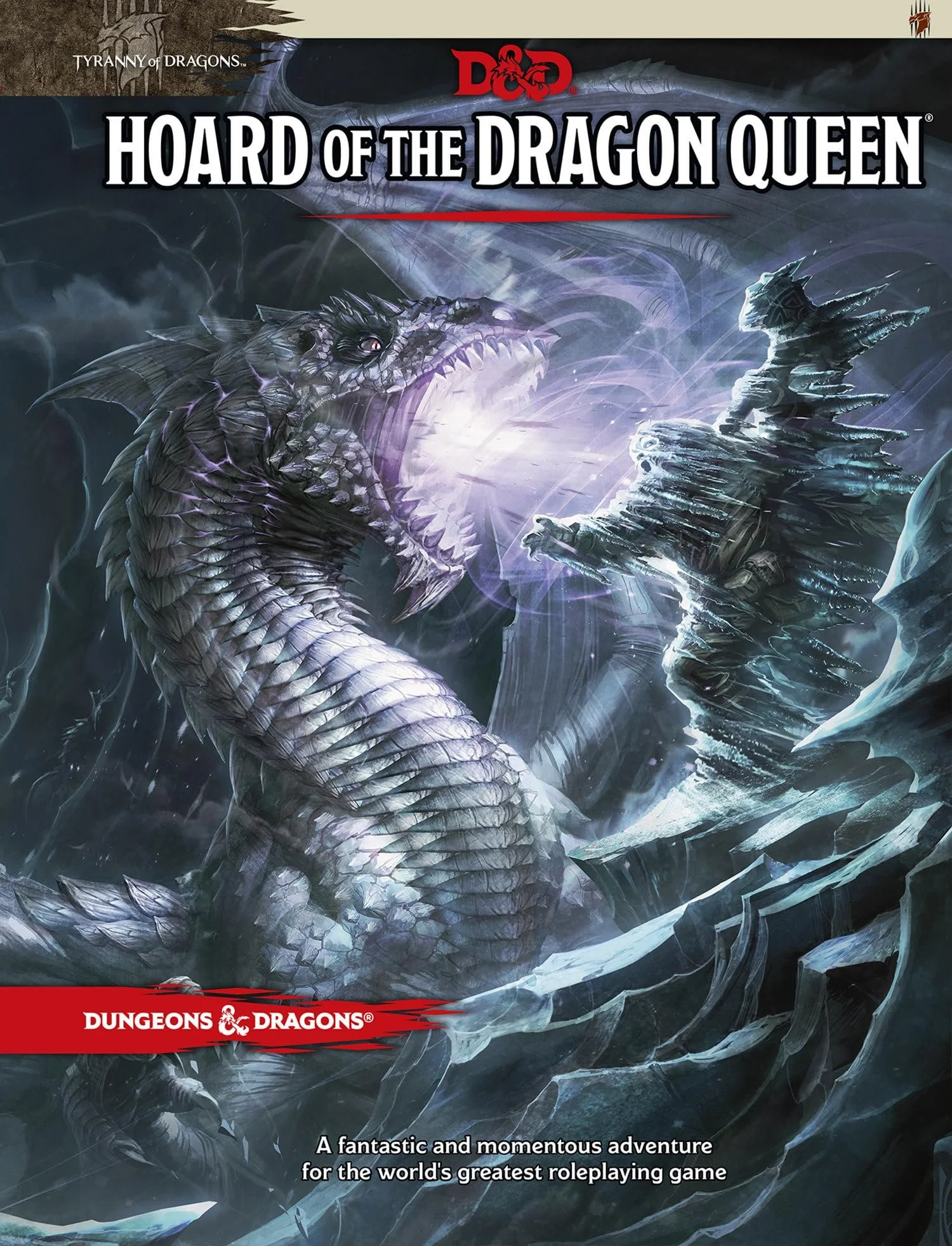
Developer. This book, and its followup, were designed while the core 5th Edition rules were still in development. To help this book land smoothly, several of the members of the 5E design and development team pitched in to help adjust the mechanics in these adventures to match the core books.
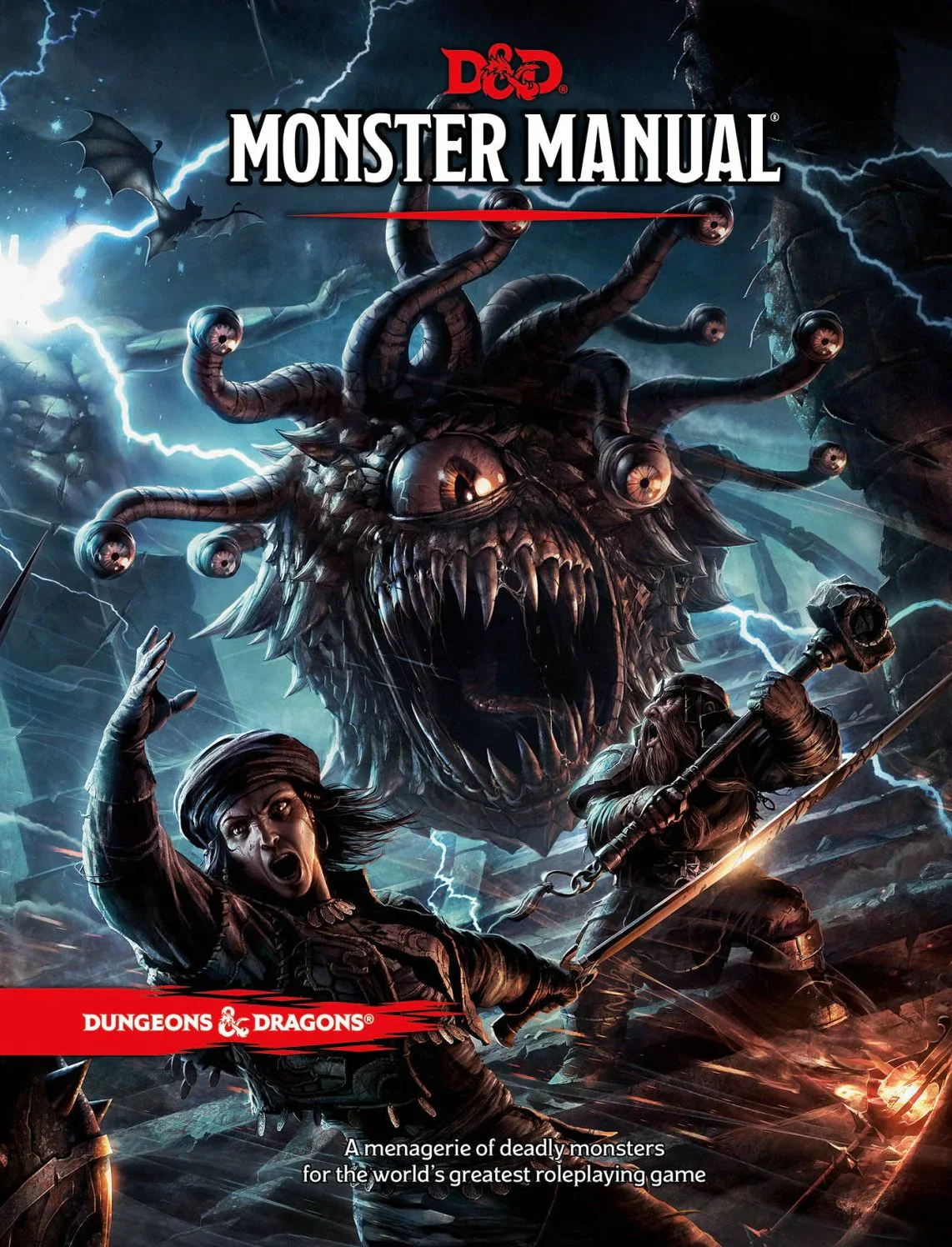
Rules Development Lead. For this book, my contributions were largely around the monster stat blocks. During the development of 5th Edition, I curated a master Excel spreadsheet (the largest, most complex database I have ever managed) that calculated target numbers for monsters based on player capabilities at any given level. During development, I worked with the book's lead designer, Chris Perkins, to mesh those target numbers with player expectations for what the monsters should look like.
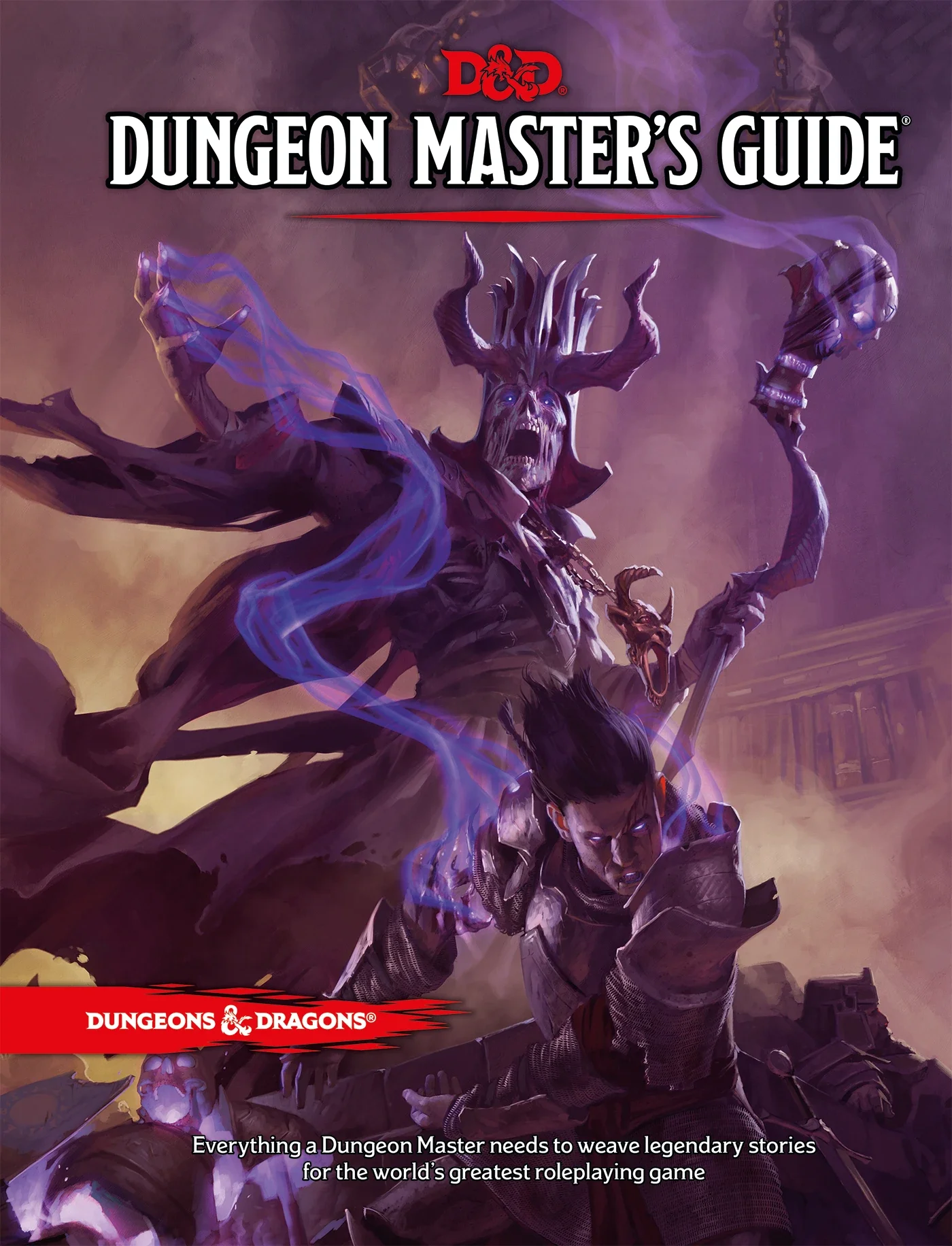
Rules Development Lead. While I did a lot of mechanical development for the game mechanics in this book (magic items, traps, etc.), I also have a fair amount of design work in this book, including things like downtime rules and optional rules.
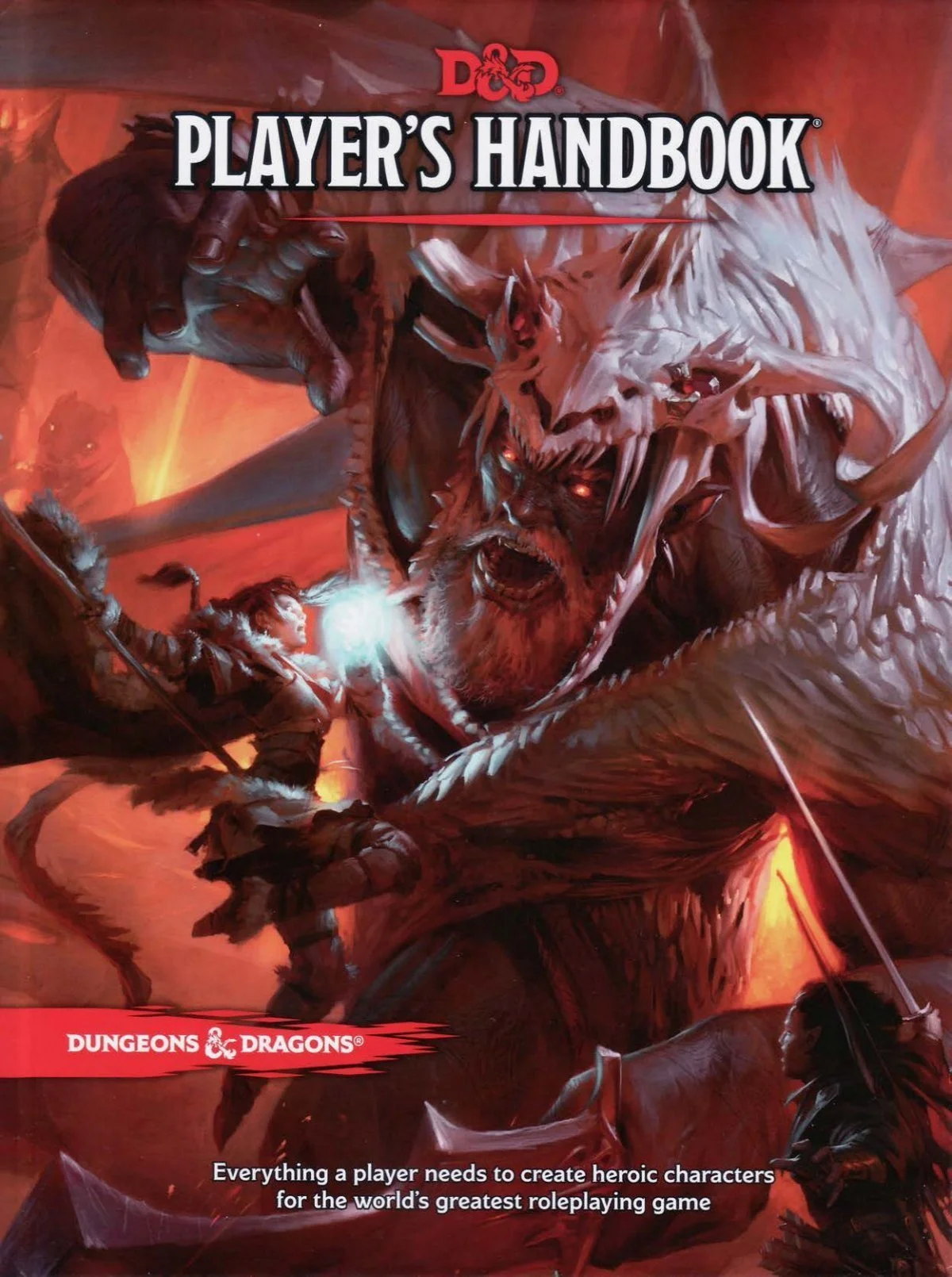
Rules Development Lead. Truly a dream project. I spent three years involved in the development of the 5th Edition of D&D, and was one of the only designers involved in the creation of 5th Edition from the very start to the very end. There's a lot of my design work in this book, particularly the core game rules and design of most of the classes. Fun side note: I wrote the very first 5th Edition D&D adventure ever played, an internal playtest adventure called The Starfall Vault (whose mechanics would be unrecognizable at this point!).
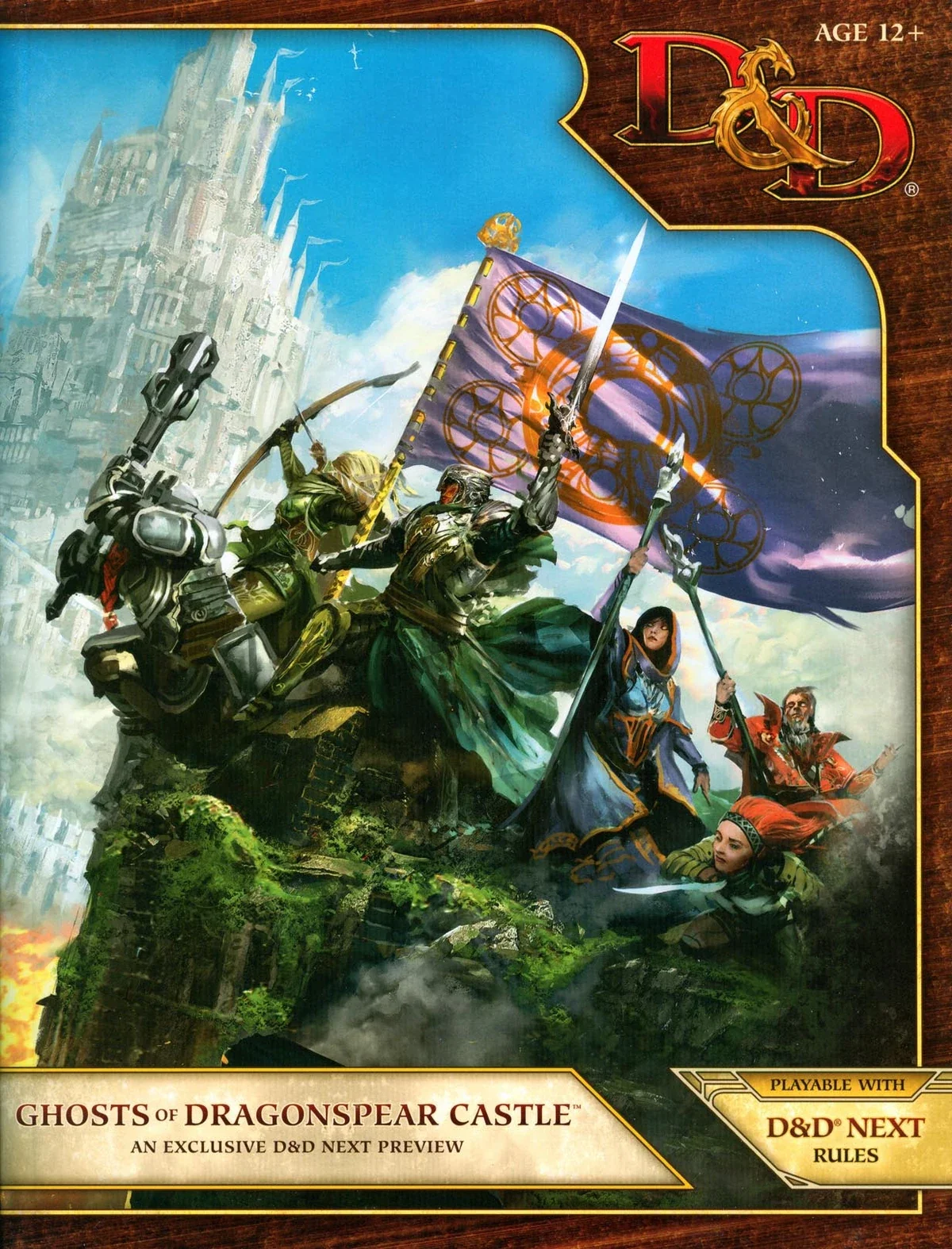
Developer. This book was created while the core 5th Edition rules were in development, still under the moniker of D&D Next, and many of the rules I was working on at the time made their way into this book.
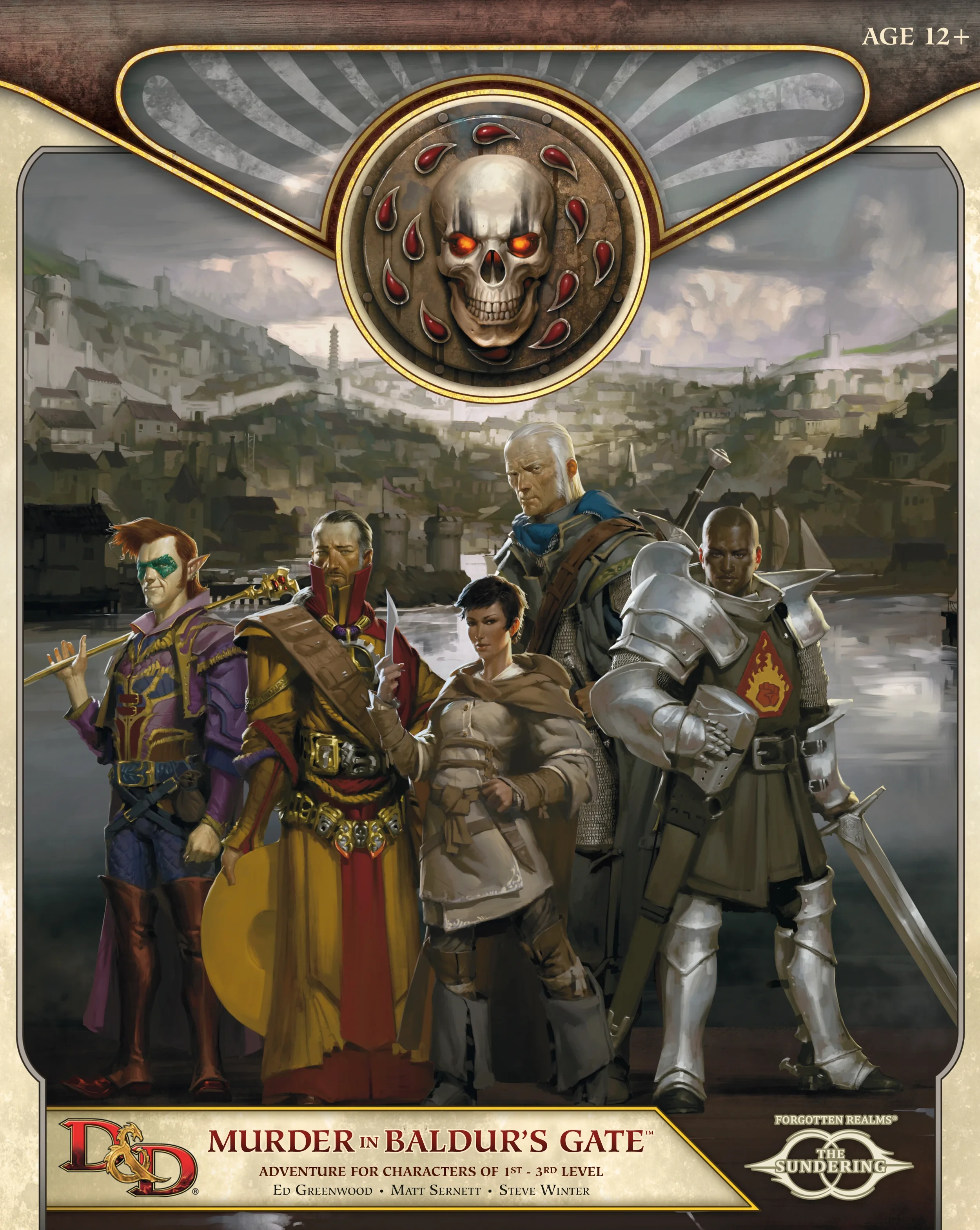
Additional Design. A very small contribution, but one I really enjoyed. Lead designer Matt Sernett had a vision for a different kind of adventure for D&D, and he recruited several of us on the D&D team to put together something closer to a travel guide than a sourcebook.
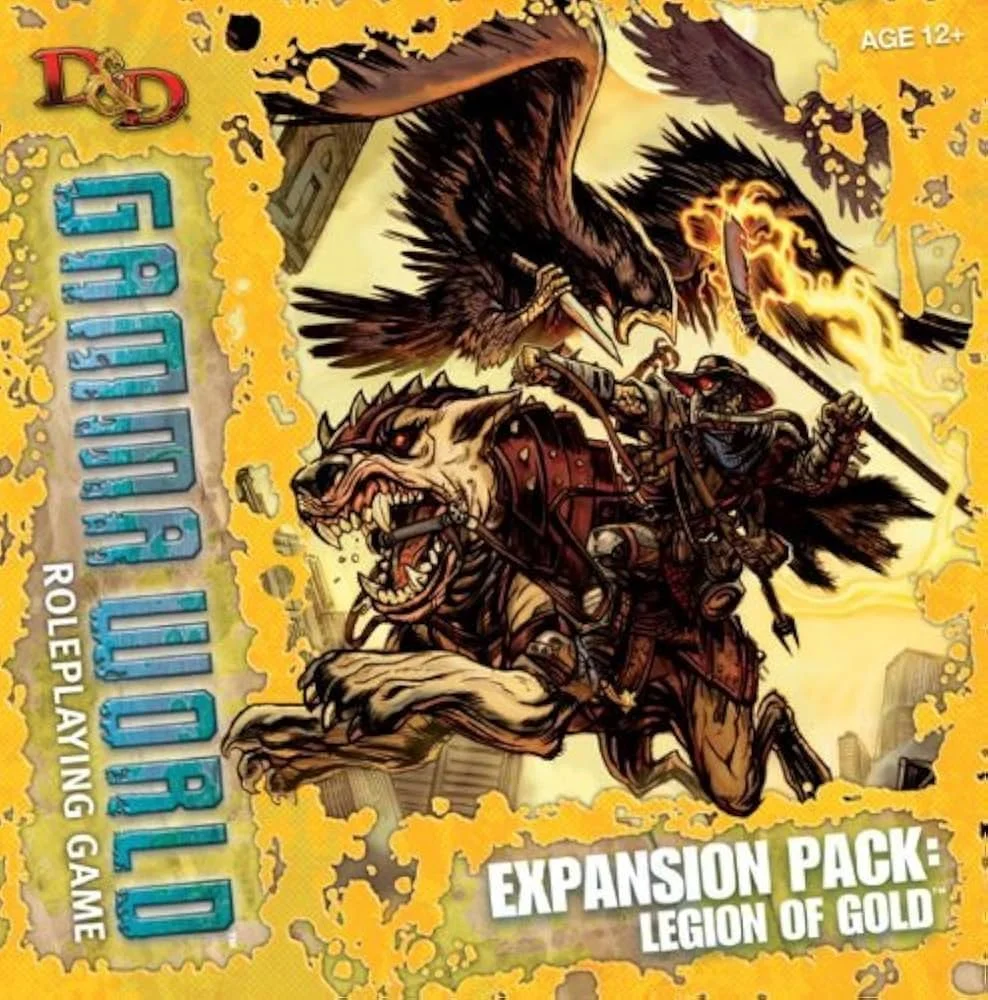
Developer
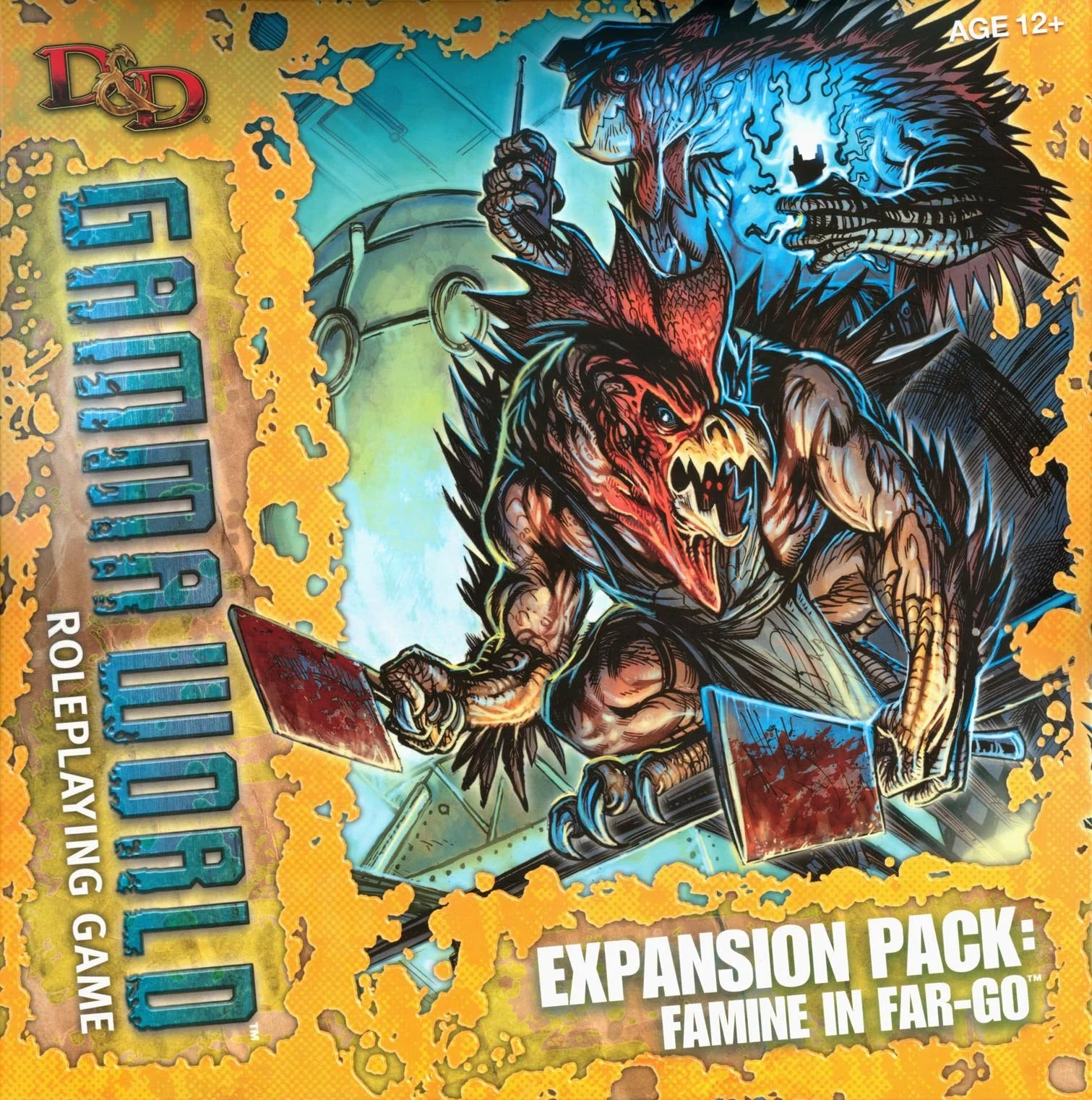
Developer
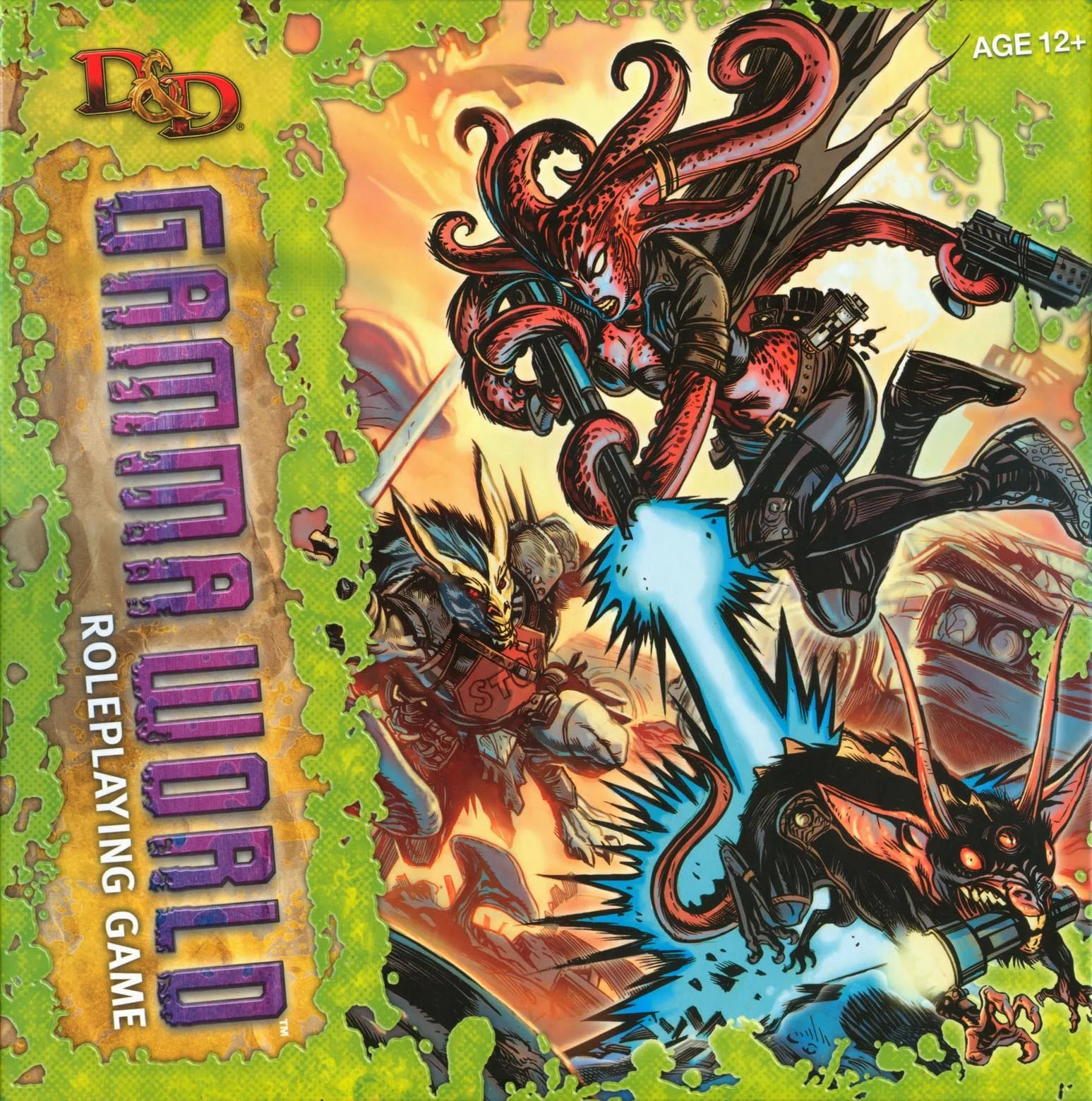
Developer. For this boxed set, and its two expansions, several members of the D&D development team (including me) were pulled in to help polish the rules, which were based on the D&D 4th Edition mechanics. I think this game is a hidden gem that flew under the radar, and its design has been very influential in my own design sensibilities. Dusk City Outlaws, in particular, owes a great deal to this game: boxed set, mechanics on cards, combine two major elements to create the core of your character, and so forth.
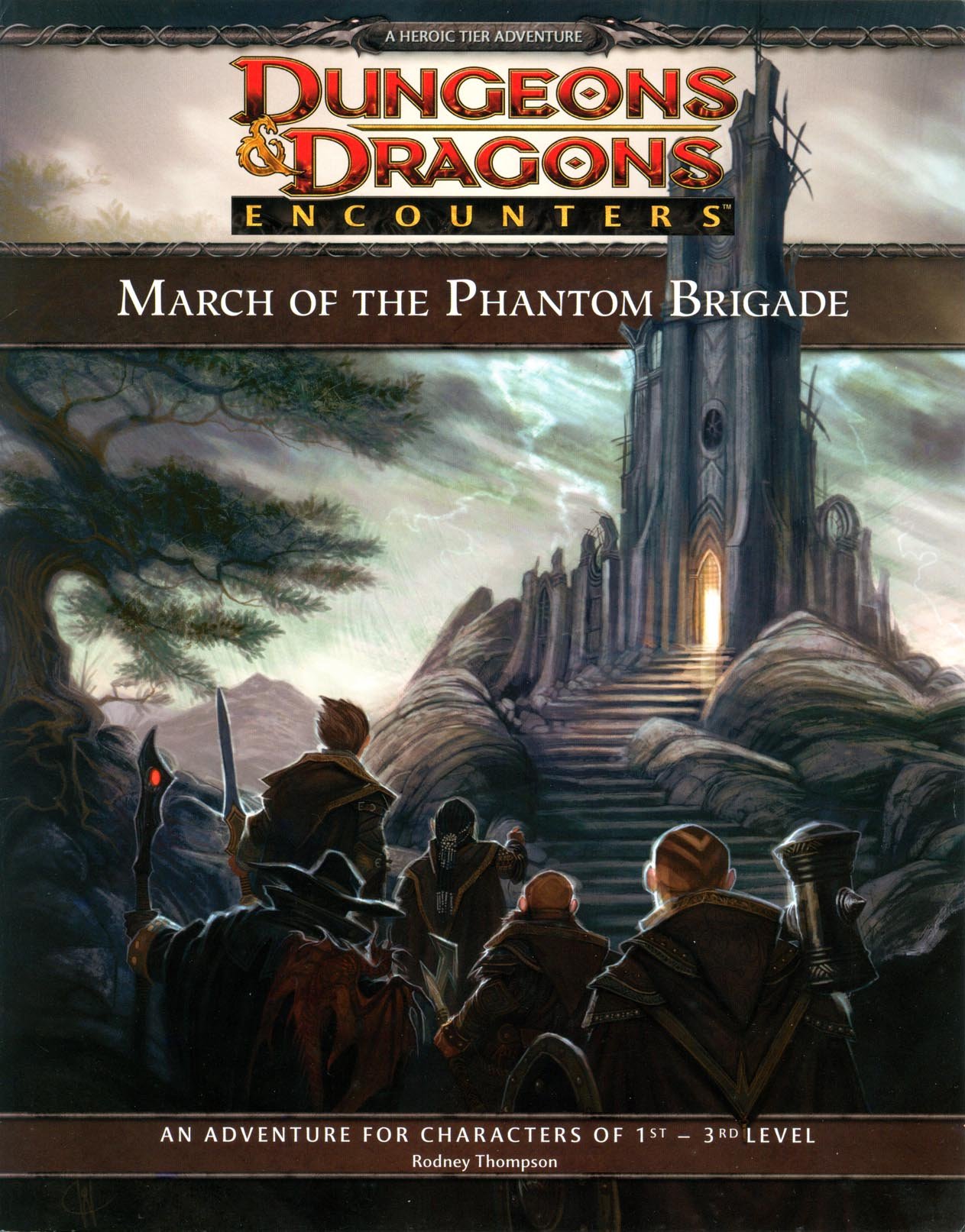
Designer. This is my only published D&D adventure outside of Dungeon magazine. It was a part of the D&D encounters project, and was based heavily on the Ghost Tower of Inverness classic 1st Edition adventure.
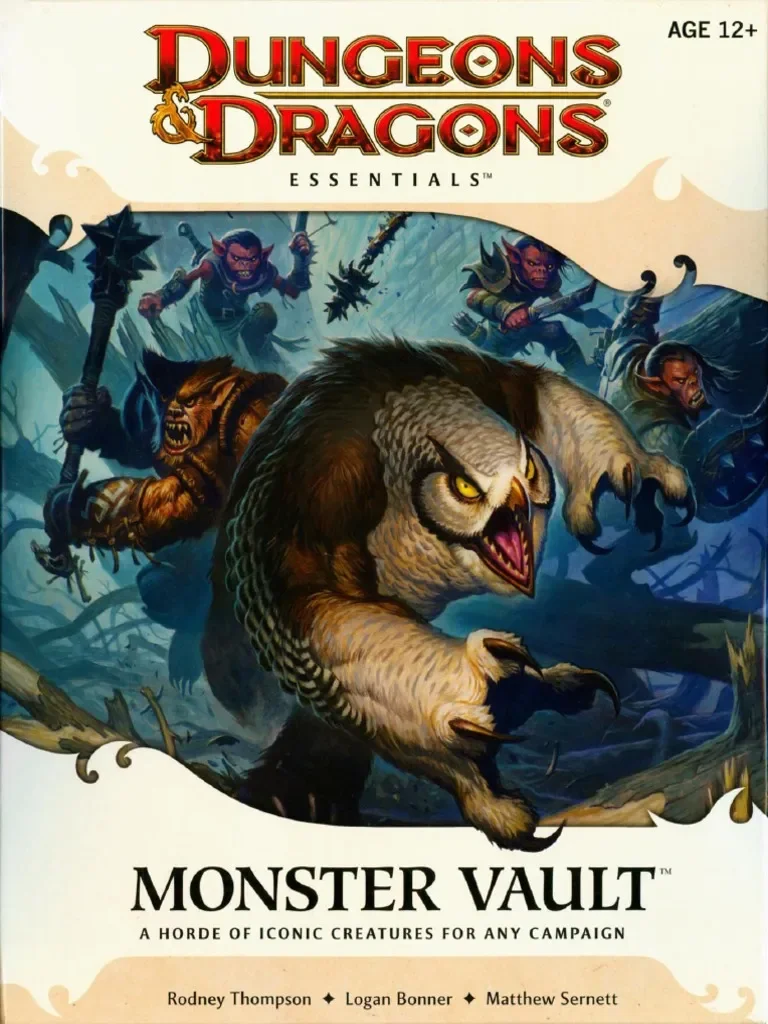
Designer. I am extremely proud of this book, and think it represents some of the best narrative writing in any traditional D&D sourcebook. Logan, Matt, and I set out to write the narrative text for these monsters with one goal in mind: make sure that every sentence we print about a monster clearly inspires adventure hooks, encounter designs, or creative ways for the DM to roleplay the monster.
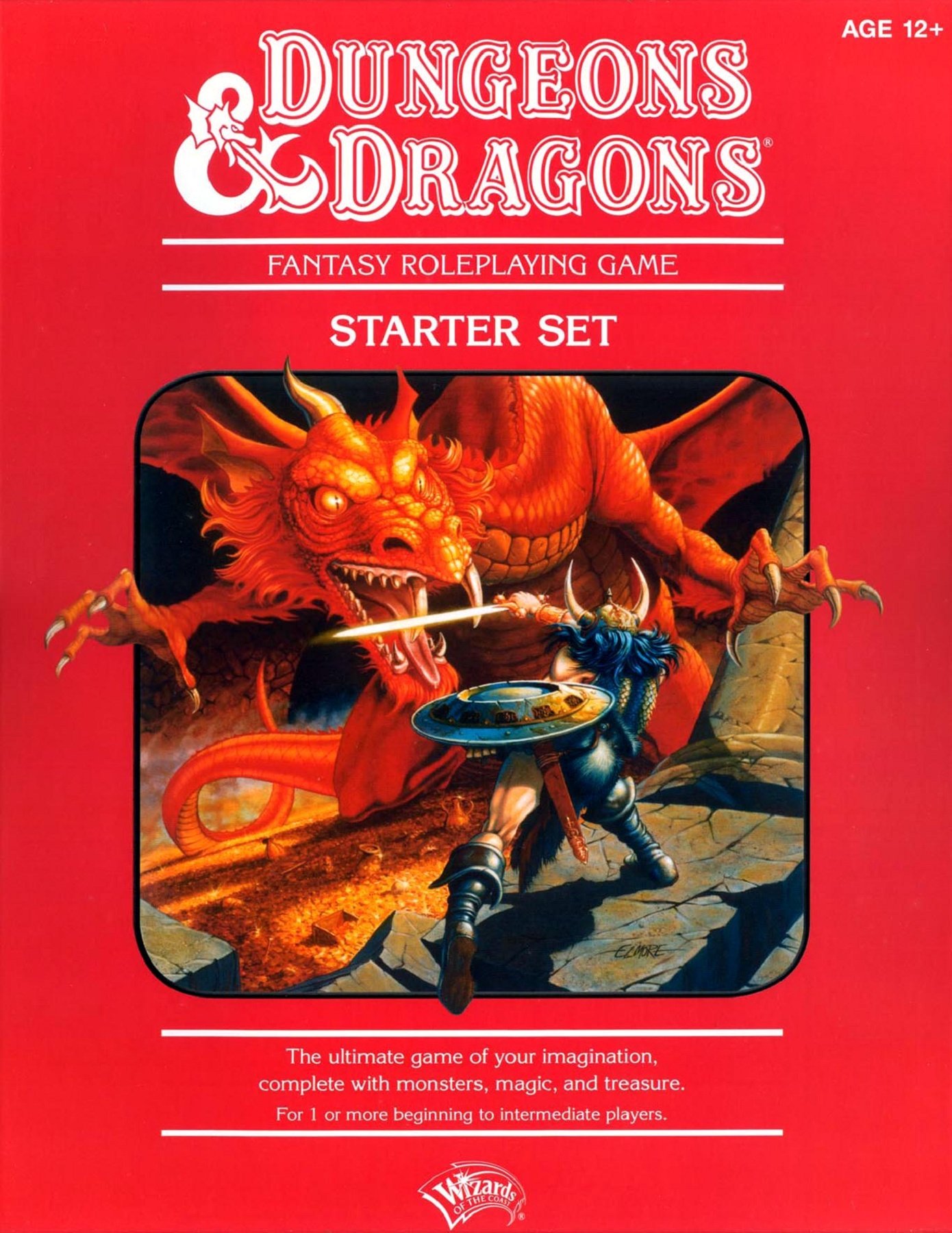
Developer. This boxed set is derived from the D&D Essentials rules for 4th Edition, which I had helped create.
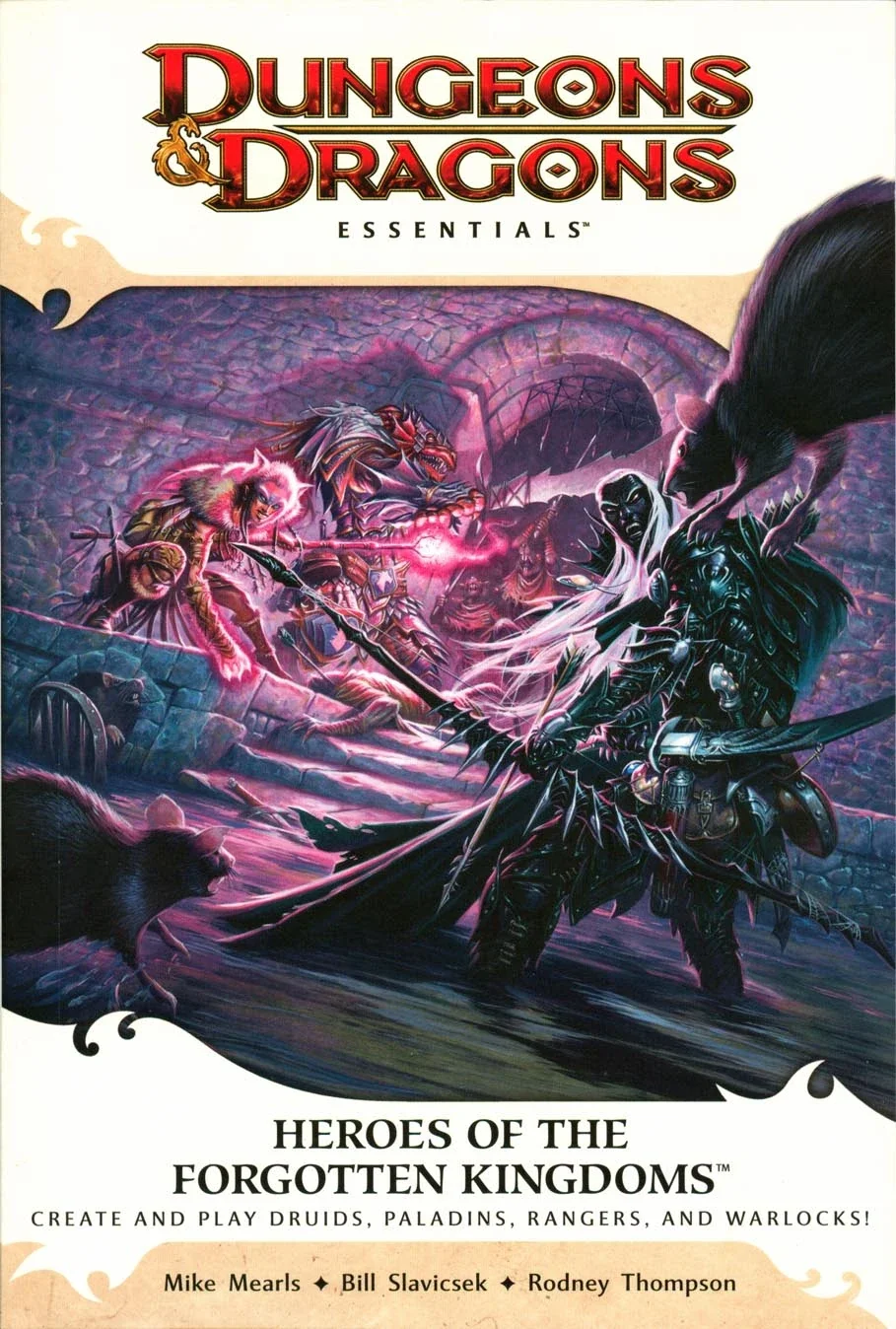
Designer
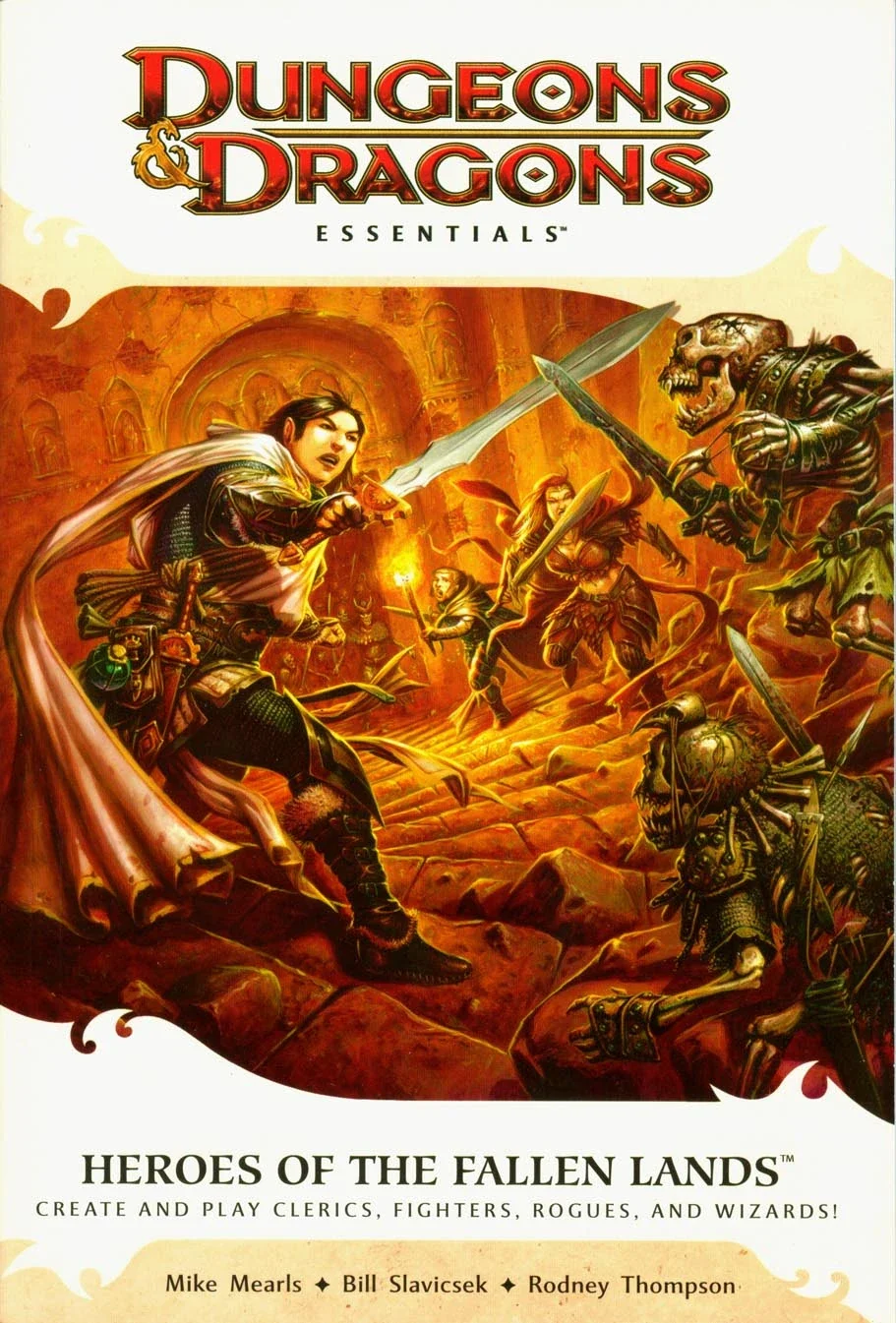
Designer. Late in the D&D 4th Edition life cycle, we were looking at what needs we weren't satisfying with the game, and I pushed the design team to explore something more streamlined, but still fully compatible with the existing books. The Essentials books were an outgrowth of that desire to broaden the game's offerings to accommodate different player tolerances for complexity, and I helped design new variants of several of the classes to try new things.
Developer
Developer
Developer
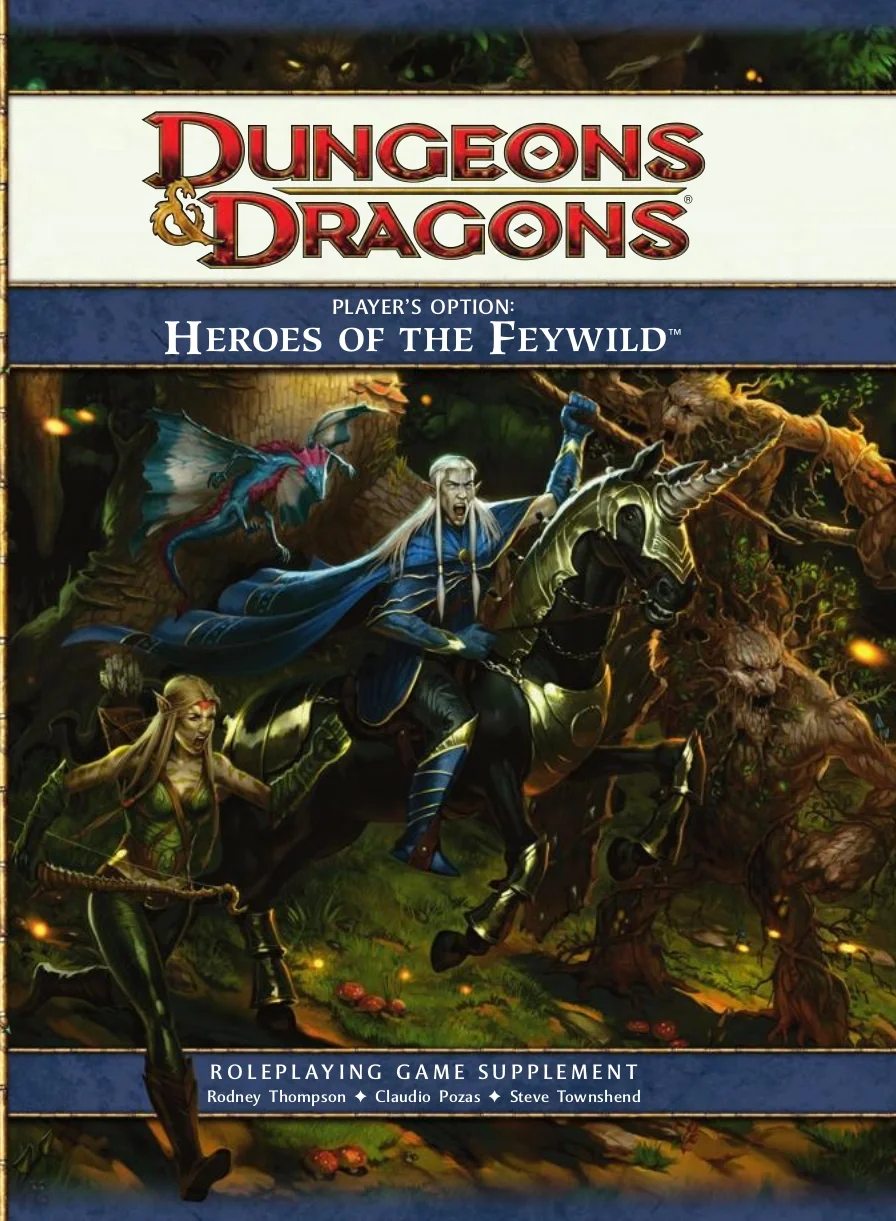
Lead Designer. This was my first project as full-fledged design lead for a Dungeons & Dragons product. It also turned out to be an extremely fun book to work on, and to this day I still consider myself friends with my co-designers on this one, even though they were freelancers and remain scattered across multiple countries. For this book, our design creativity was unchained, and we were encouraged to explore ways to break existing frameworks for 4th Edition sourcebooks, resulting in many fun designs like the "life path" character background creation system. This book still lives in the back of my head, and I want to revisit some of the concepts in this book in my own game some day.
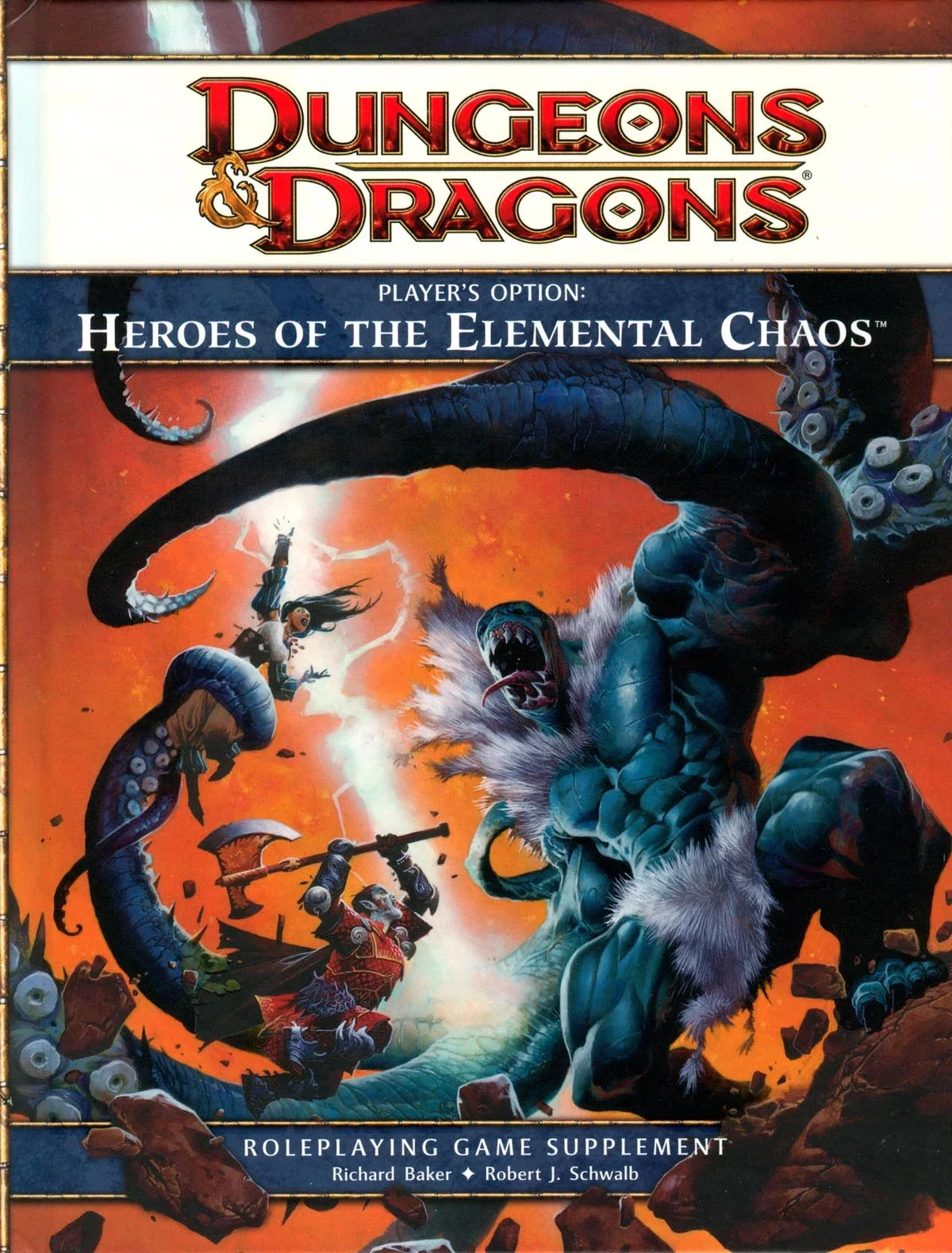
Developer
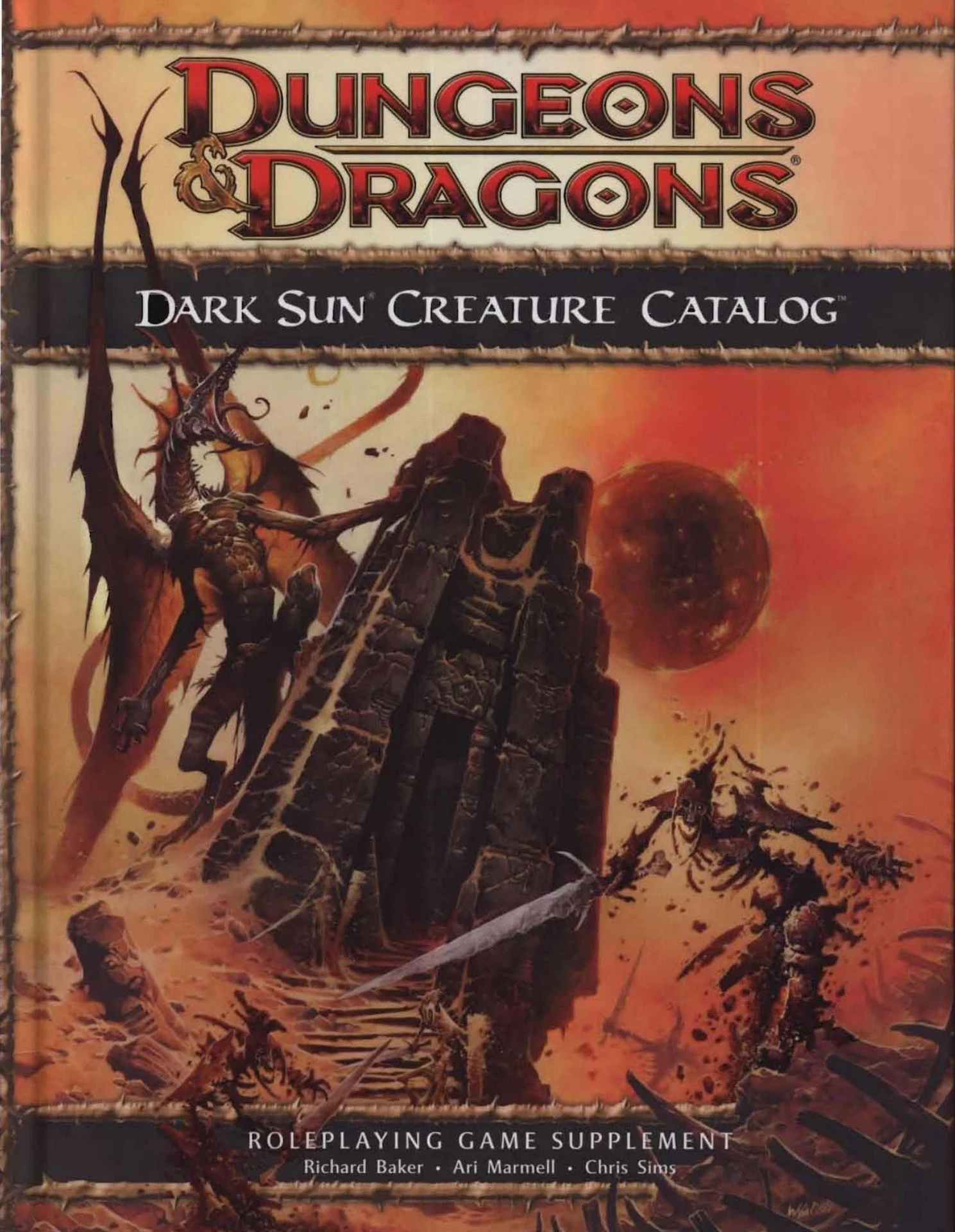
Lead Developer
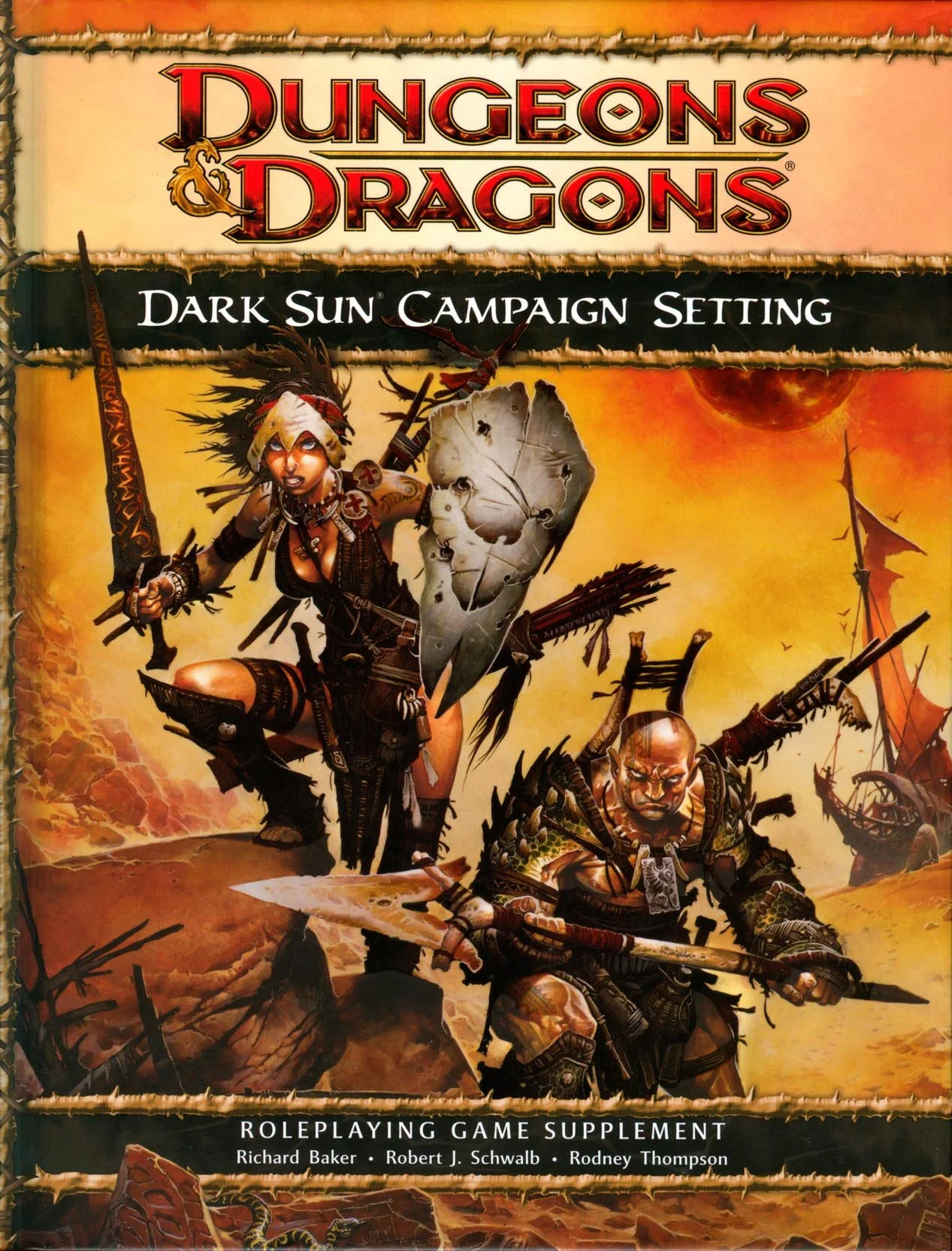
Designer. Another of my "dream come true" design moments was being tapped to be one of the core designers of the 4th Edition version of the Dark Sun campaign setting. One of the reasons why the development team often joked that I "loved settings covered in sand," Dark Sun was one of my favorite settings in 2nd Edition, but its original design ethos was very counter to that of 4th Edition D&D. We broke a lot of new mechanical ground in this book and ultimately produced something that I think was really a high point in the 4th Edition product line, even if I lost a lot of arguments with other designers during its production.
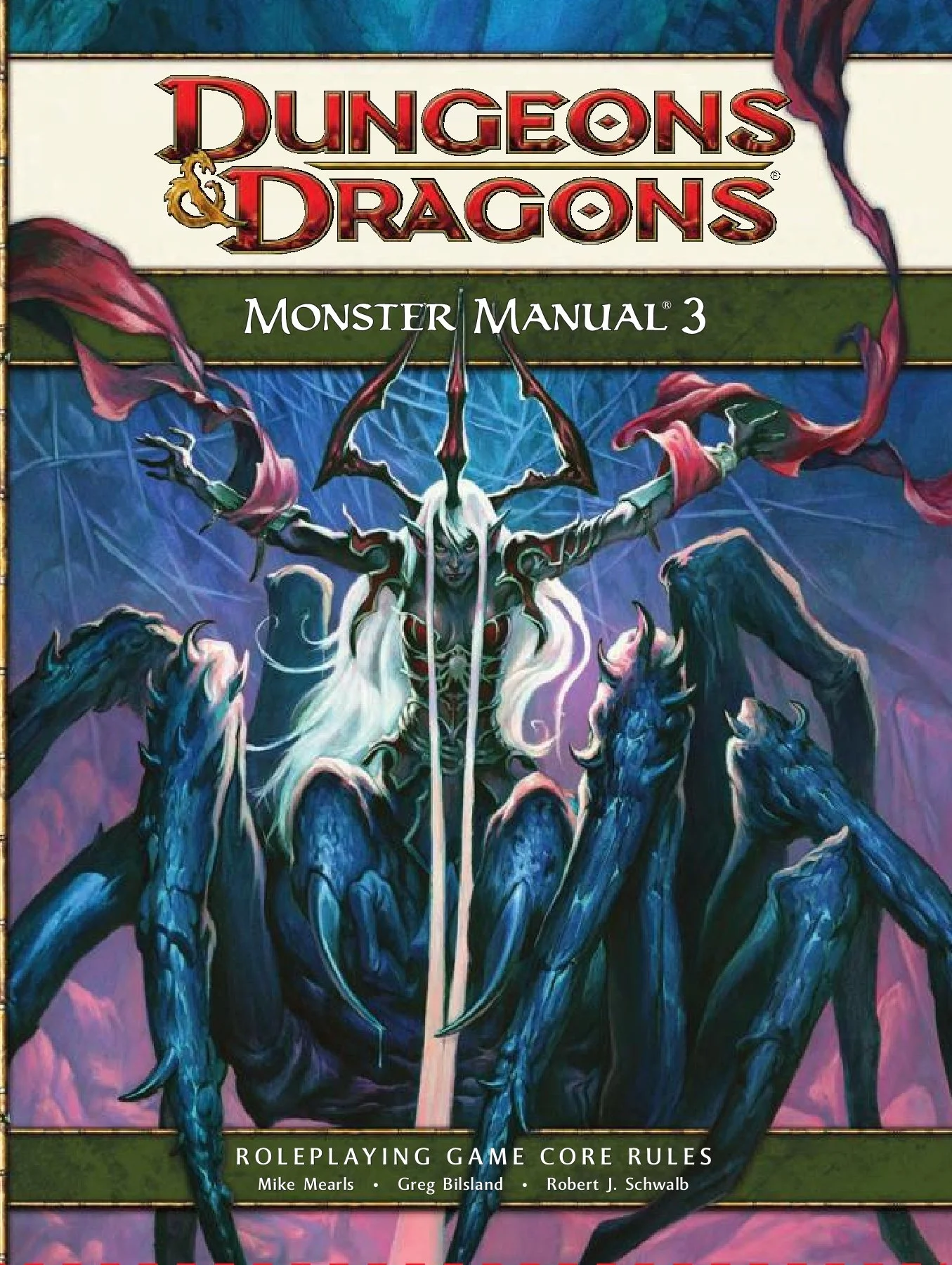
Developer
Developer
Developer
Developer
Developer
Developer
Developer
Developer
Developer
Developer
Developer
Developer. When the Star Wars license ended, I was invited to join the D&D development team. In RPG R&D at WotC, the titles of "designer" and "developer" meant two very different things. While designers were responsible for the writing and initial design of the mechanics, the development team worked to ensure that all of the game mechanics were properly tested, tuned, streamlined, and written in such a way that they meshed well with all of the mechanics in all of the other books in the line that had either already been produced or were in flight. Starting with Martial Power was like being thrown into the deep end of the pool, as it was a book full of nothing but powers, one of the core mechanical atoms of D&D 4th Edition characters.
Lead Designer
Lead Designer
Lead Designer
Lead Designer
Lead Designer
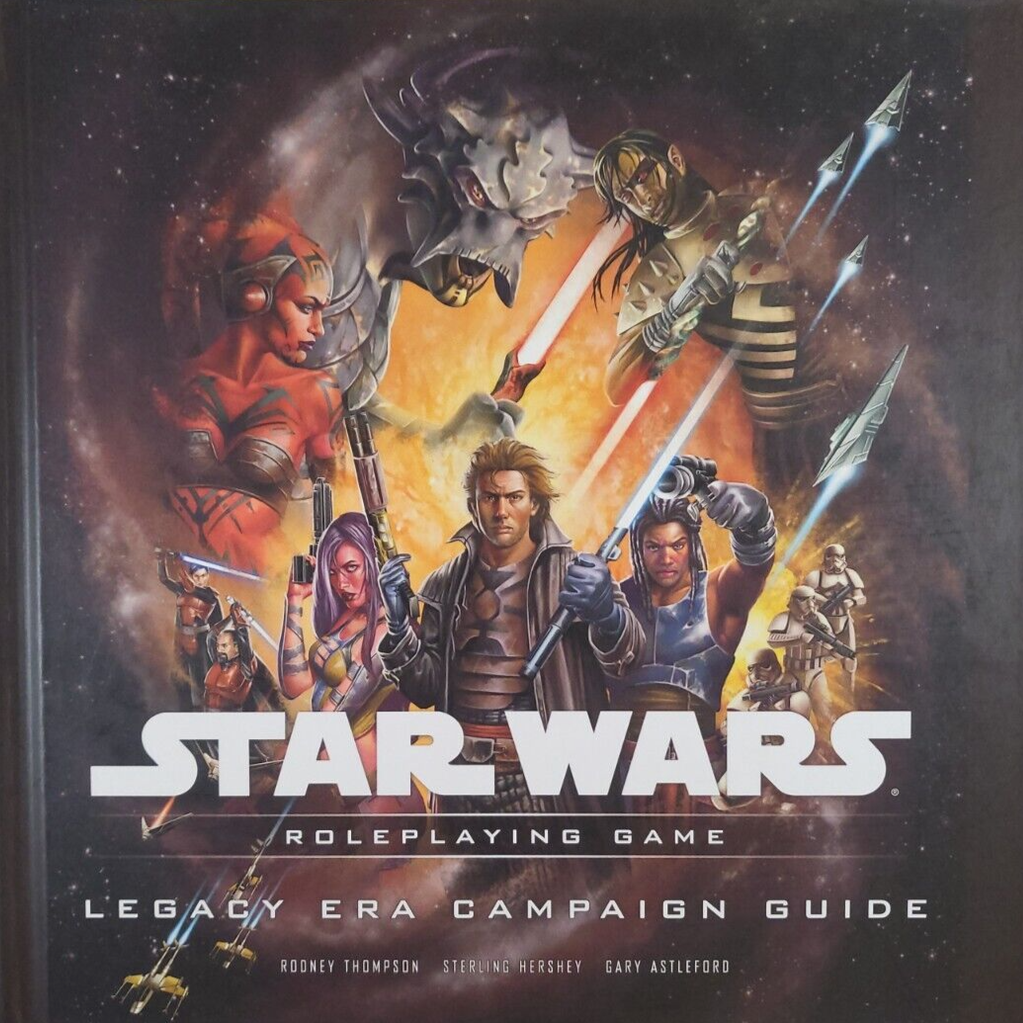
Lead Designer
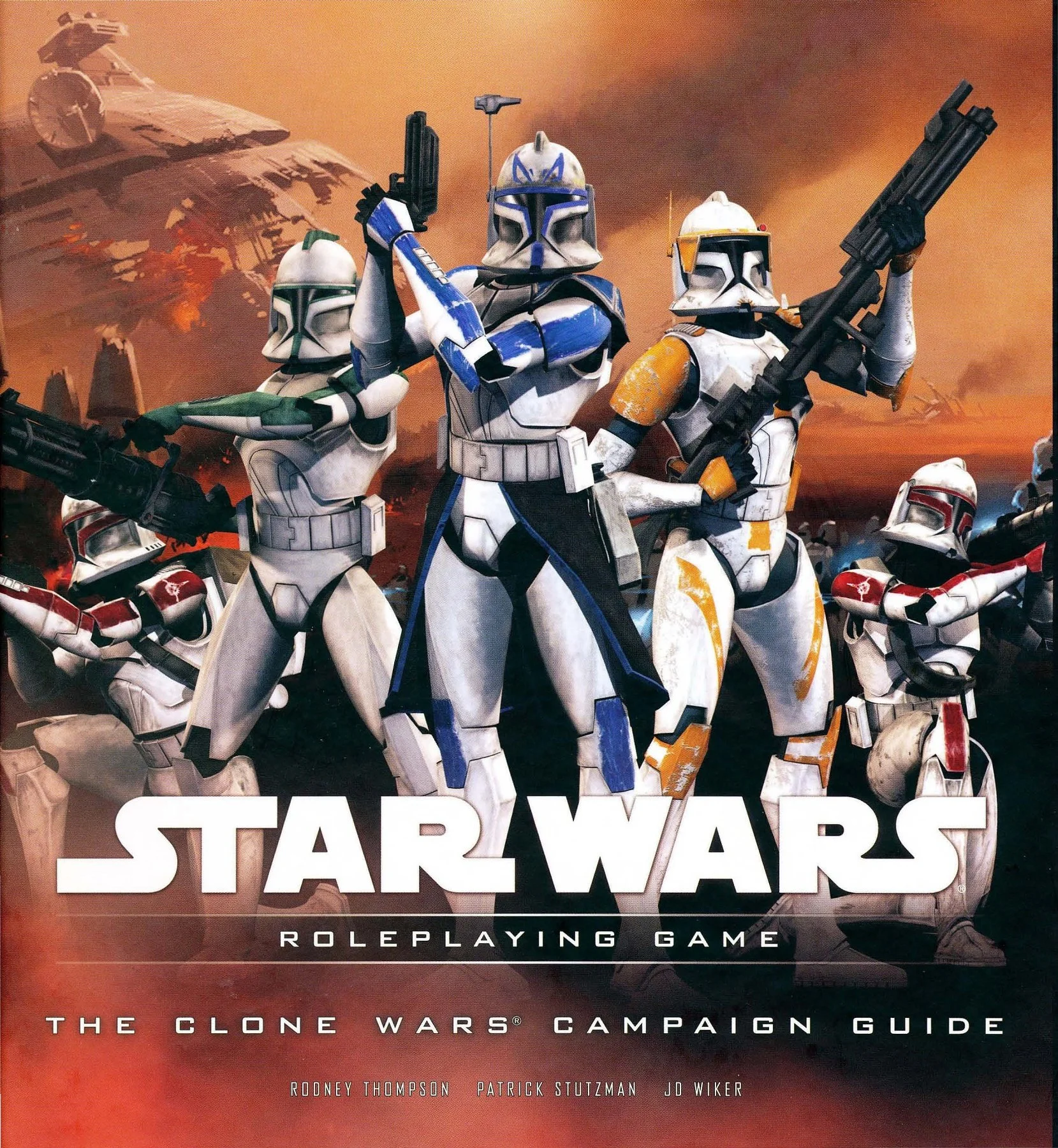
Lead Designer. When I started working on this book, the CG animated Clone Wars series was still in production, so this book was written before the public had seen even a single episode of the show. This book required a lot of close collaboration with Lucasfilm, and one of the most exciting moments I had was when they delivered watermarked scripts for several episodes in the first season for me to read and adapt to the RPG.
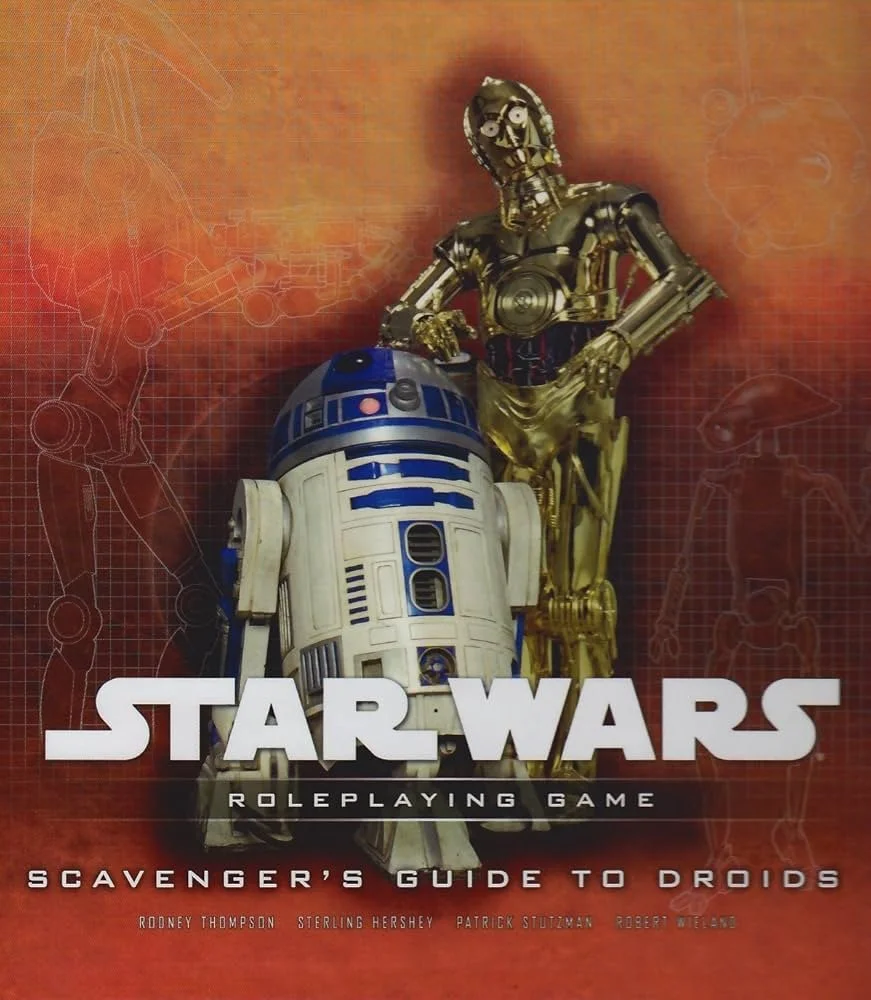
Lead Designer
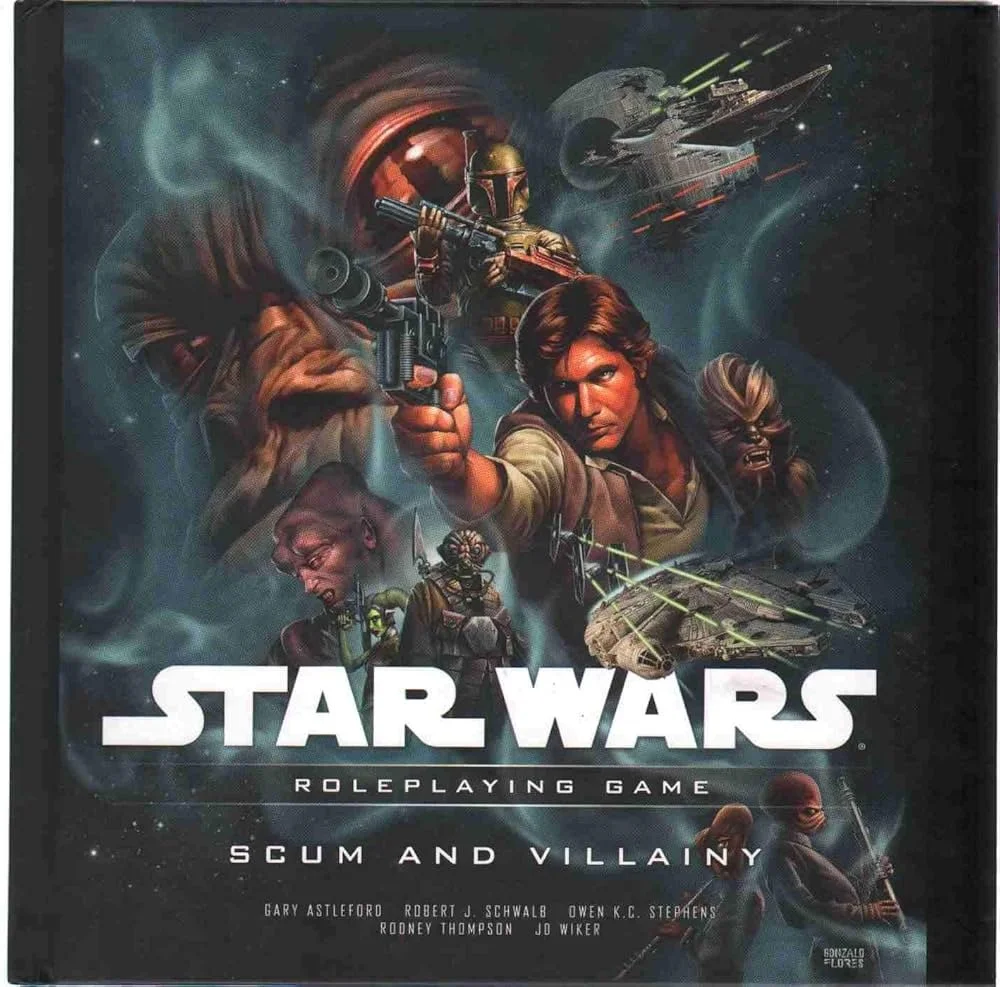
Lead Designer
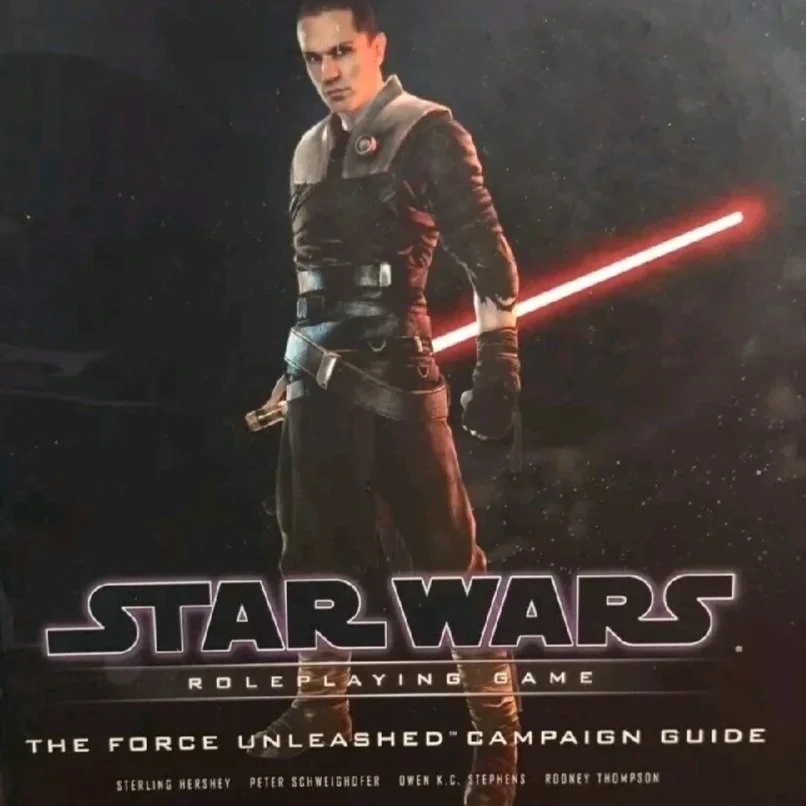
Lead Designer. This book was a fun challenge, because it was being written to coincide with the release of the Force Unleashed video game. This meant I got to see a lot of concept art, scripts, and early gameplay footage of the game in order to help craft the book's mechanics. Unfortunately, as often happens with video games, the game was delayed, which meant that this book, which should have been the second sourcebook for the roleplaying game, also got delayed. Fun fact: Because of my work on this book, I got introduced to actor Sam Witwer, who portrayed the main character in the video game. Turns out he was a big tabletop RPG player, and that meeting at Star Wars Celebration turned into a friendship that continues to this day.
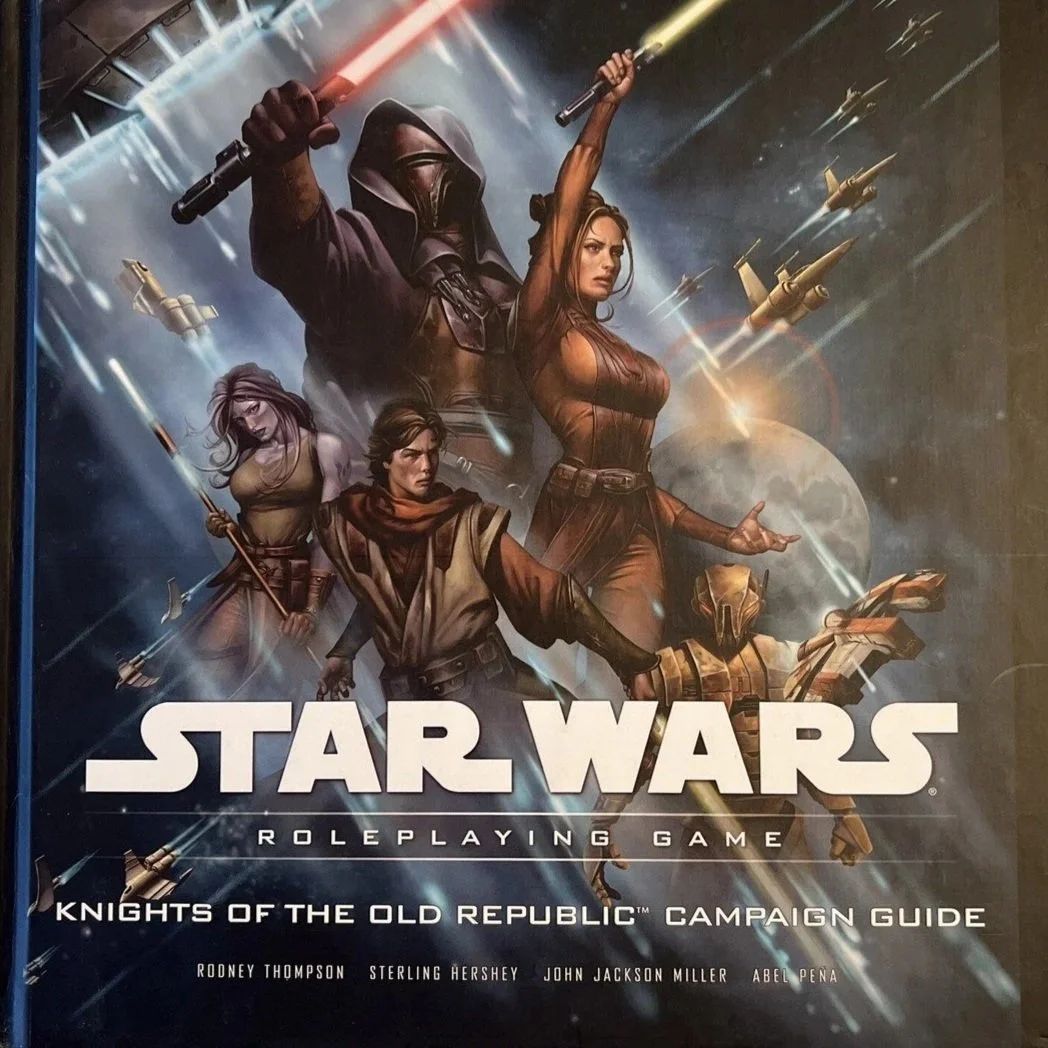
Lead Designer. This book was one of the first things I knew I wanted to make when I got hired at WotC. Knights of the Old Republic comic series author (and fellow University of Tennessee alumnus) John Jackson Miller visited the WotC offices and we spent a few days together concepting the themes and goals of this book. It was great to get to work first-hand with another Star Wars creative, and I think this book ended up being one of the most cohesive designs in the product line.
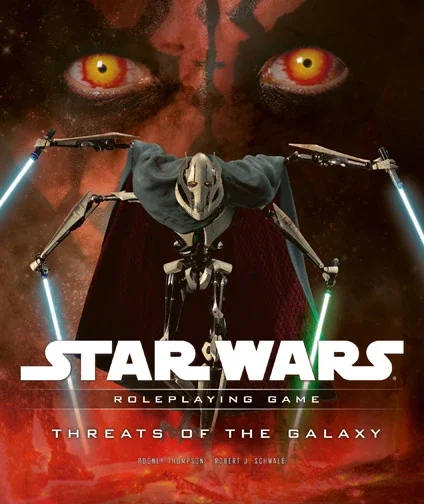
Lead Designer. This book was a nightmare, and was the reason I fully transformed into an advocate for the principle of "enemies don't need to use the same mechanics as player characters." Making this many stat blocks by hand with no character generation software meant that many tiny mistakes got through ("this should be a +1, not a +2") and even if 90% of those errors had no practical impact on gameplay we got raked over the coals by players who saw this as a failure of quality.
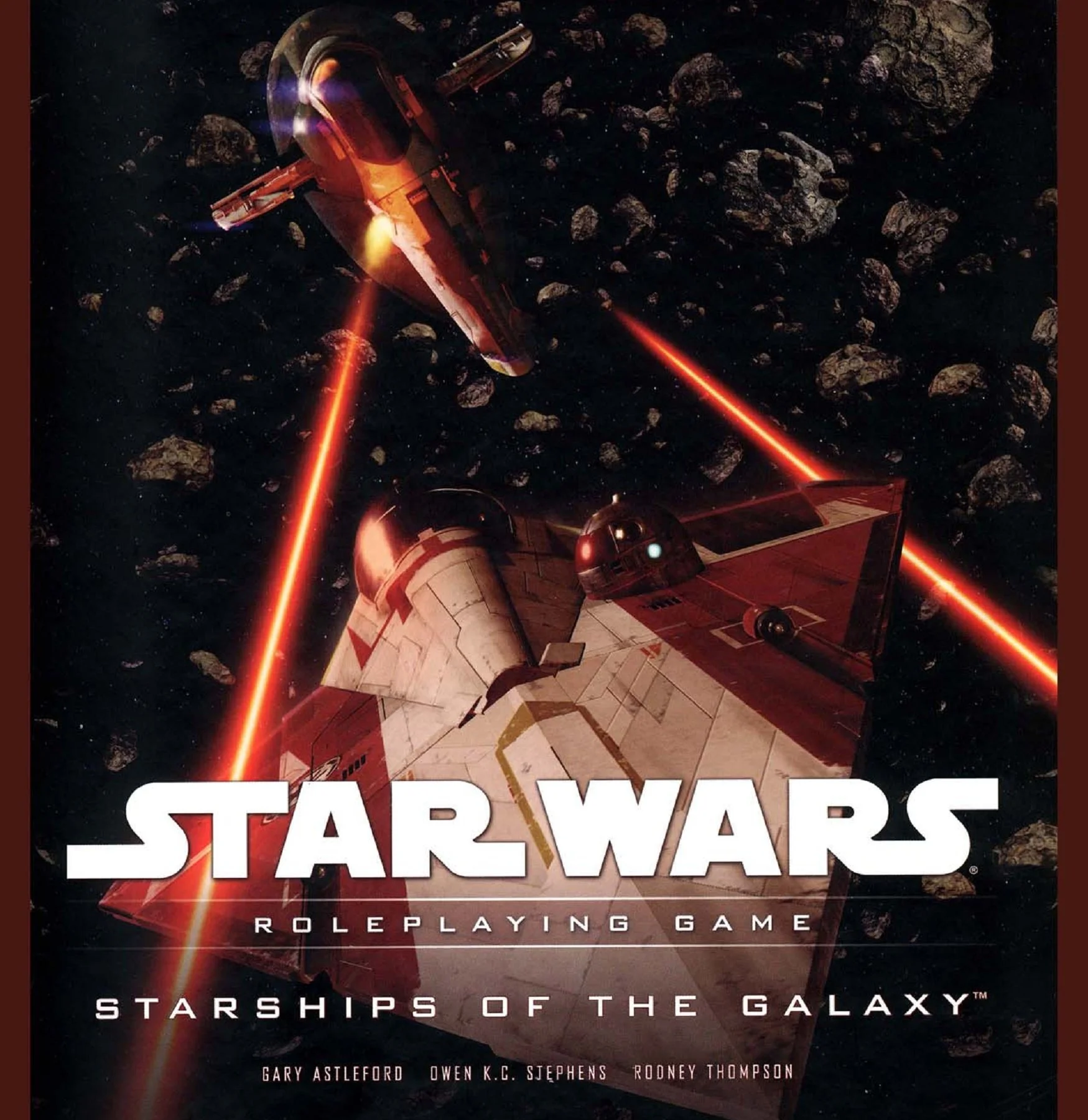
Lead Designer. Still one of my favorite books in the whole product line. I still love opening this one up and flipping through it, largely thanks to the fantastic art and maps.
Designer
Designer. A book that truly changed my life. In addition to having the rare privilege of designing a new edition for the Star Wars Roleplaying Game, it was my work on this book that prompted Wizards of the Coast to hire me in 2007 to run their Star Wars RPG product line. I still get a lot of compliments on this game design to this day, and while there are many things I think we could have done better (we could have done so, so much more to make this game easier to run and make adventures for), I still fall back on some of the designs for this book (such as the talent system, pioneered in d20 Modern) in my more modern RPG designs.
Designer
Designer. My first cover credit for a D&D book, written while I was still a freelancer. This book had a really weird origin (apparently, books with "Dragon" or "Magic" in the title sold better, so they decided to do a book called Dragon Magic) but I had a lot of fun working on it, and it's one of only two actual D&D 3rd Edition sourcebooks I worked on.
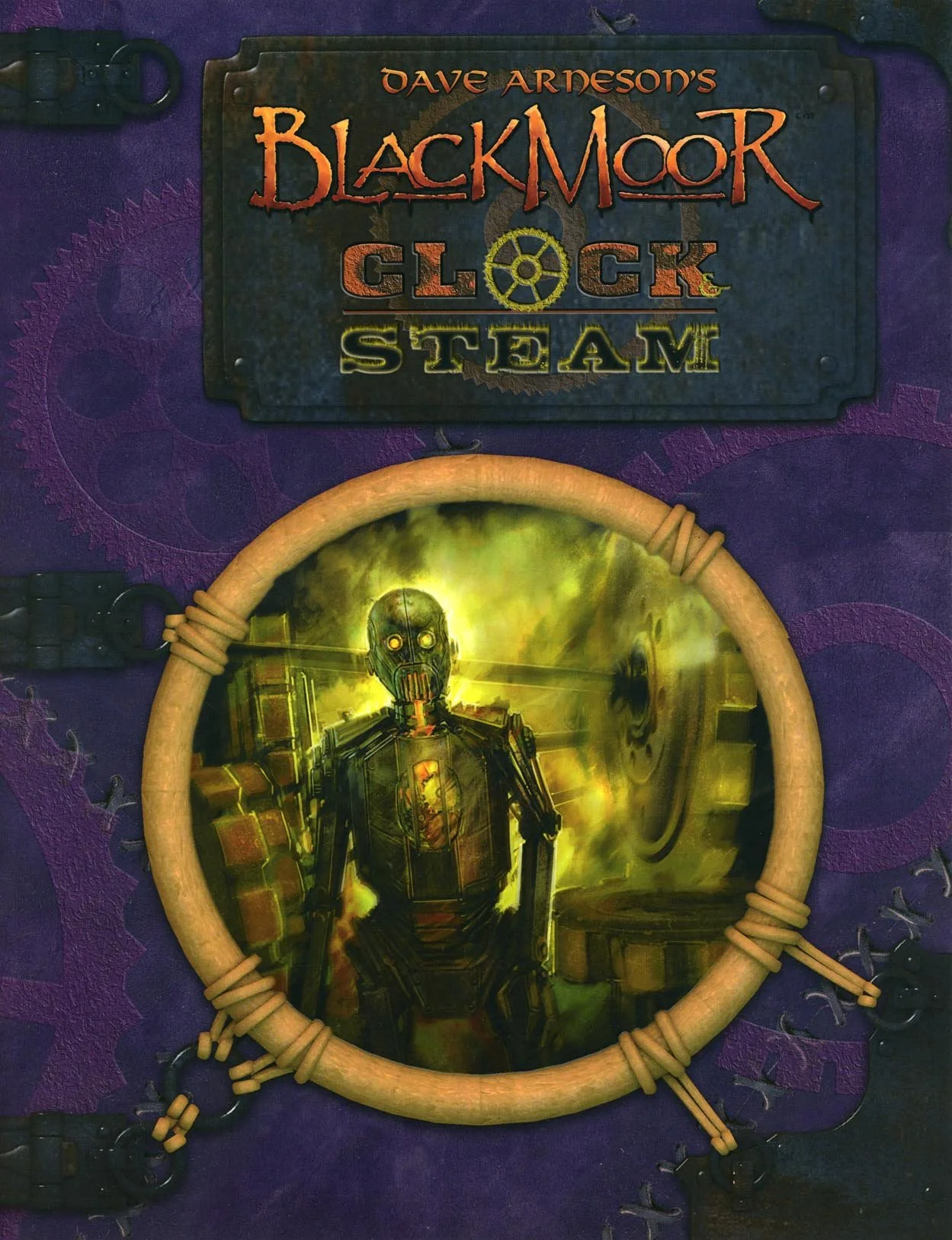
Designer. Another solo project, this book was written after I found out I was a contender for the job of full-time game designer at Wizards of the Coast. For this one, I designed an entire point-based magic system involving clockwork inventions and augmentations.
Designer
Designer
Designer
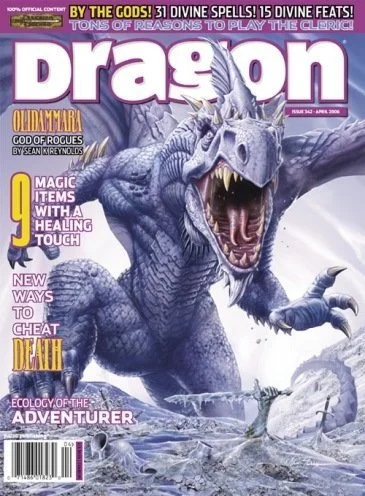
Designer
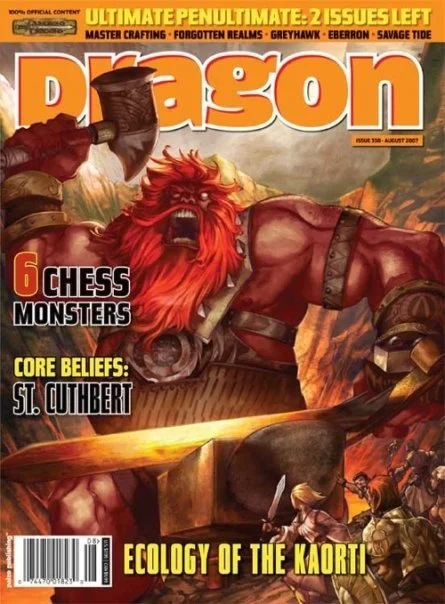
Designer
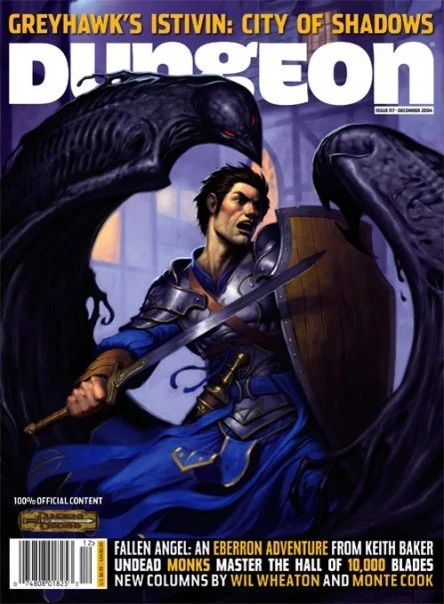
Designer
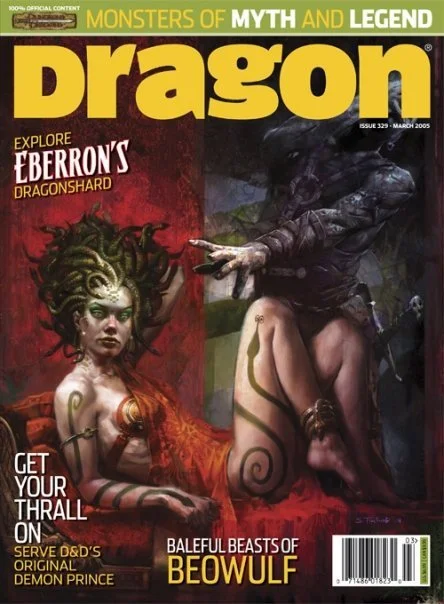
Designer
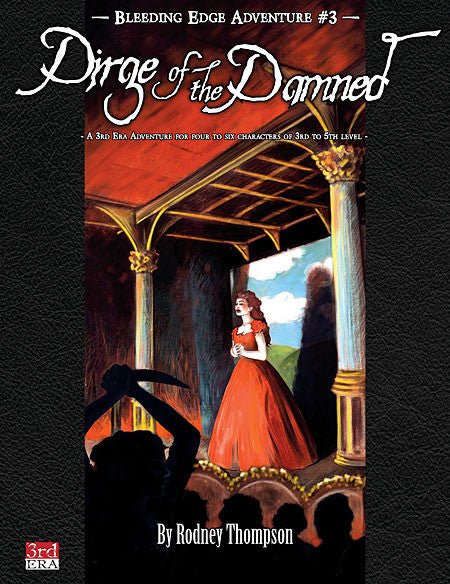
Designer. My second solo project.
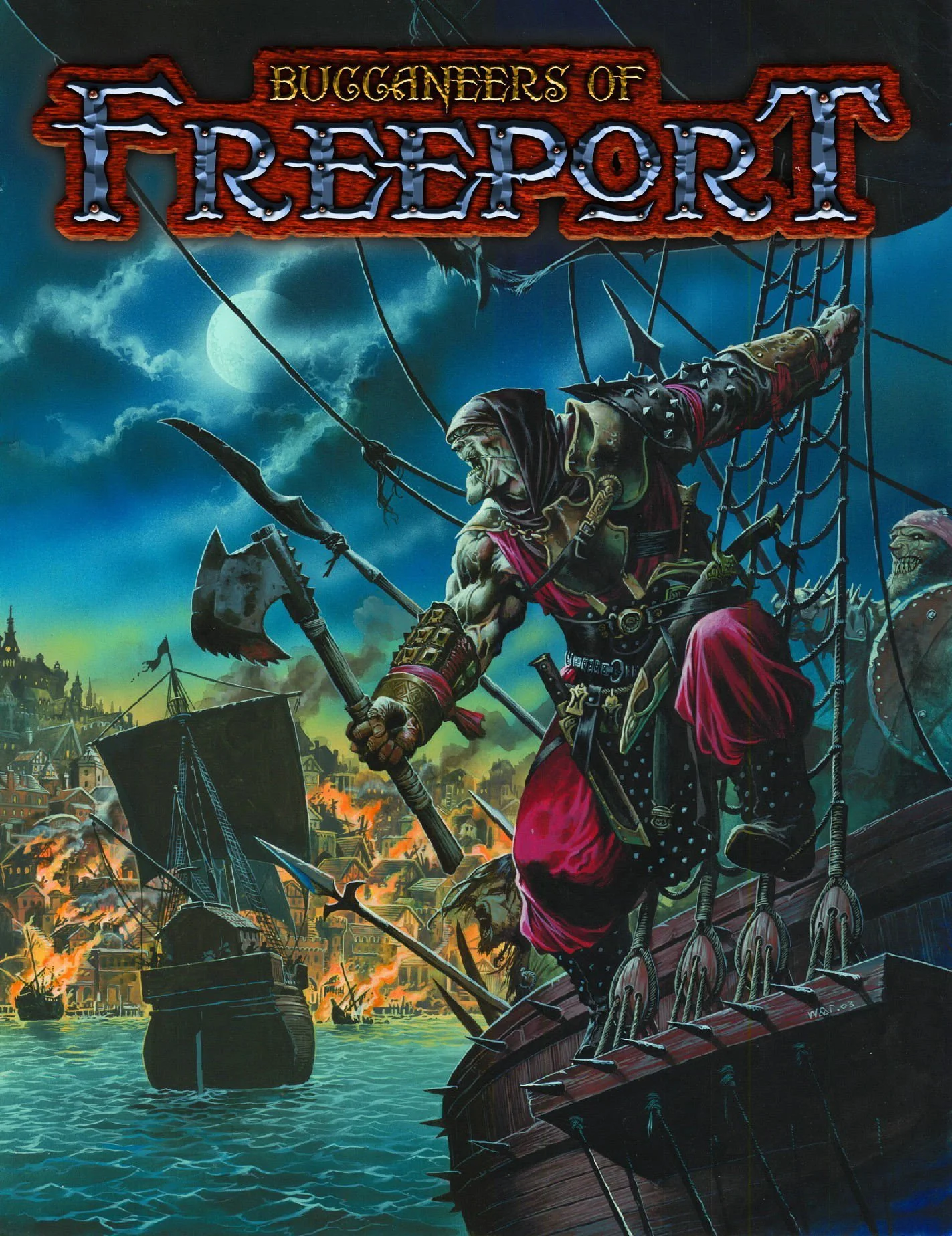
Designer
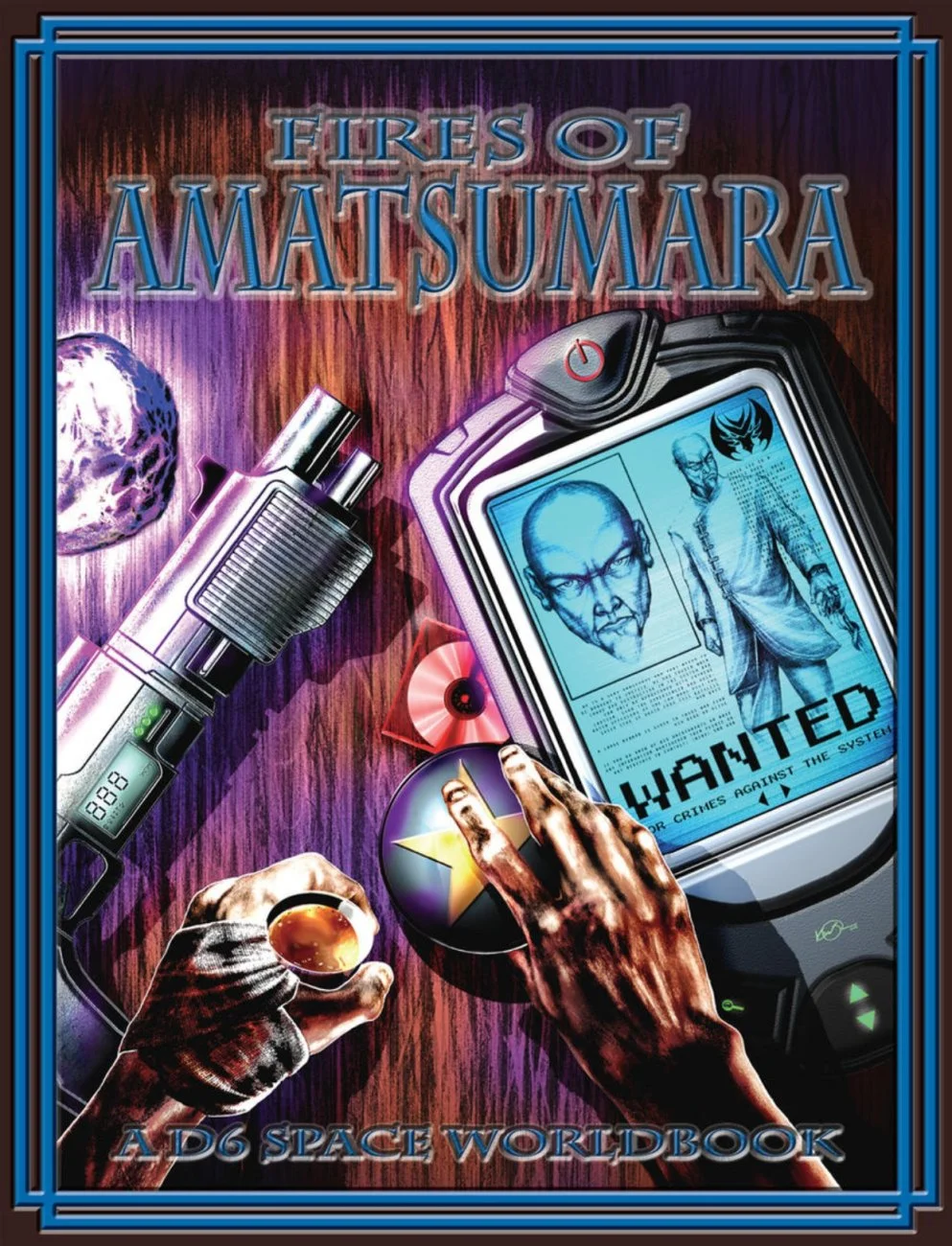
Designer
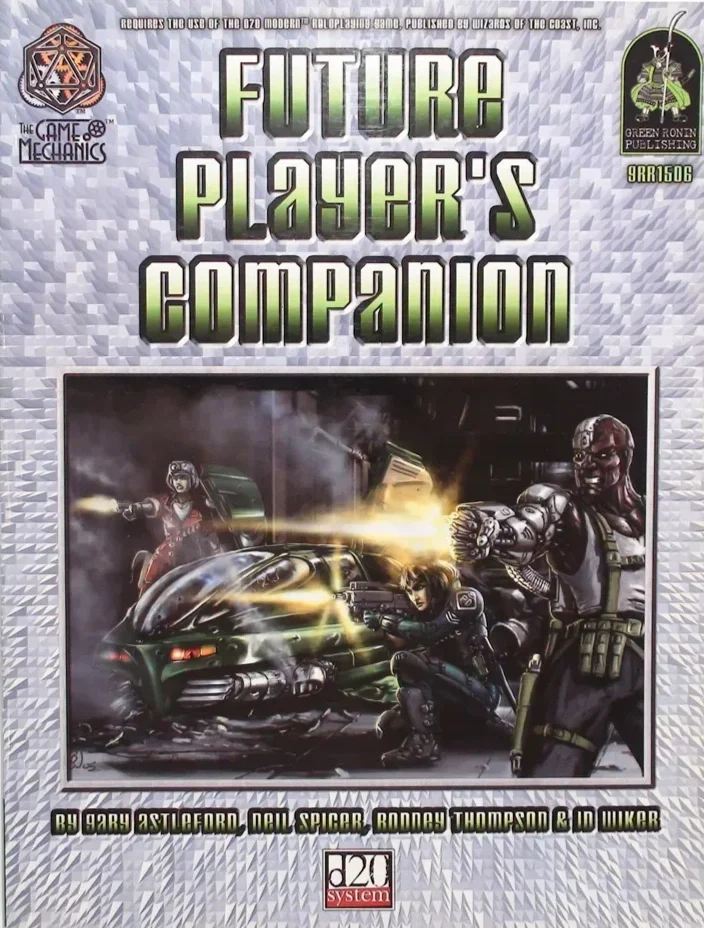
Designer
Designer
Designer
Designer. My first big design and cover credit for a non-Star Wars product for my future employer Wizards of the Coast.
Designer
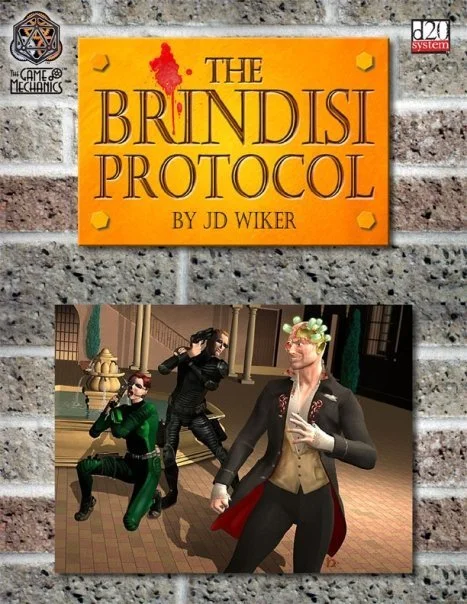
Designer
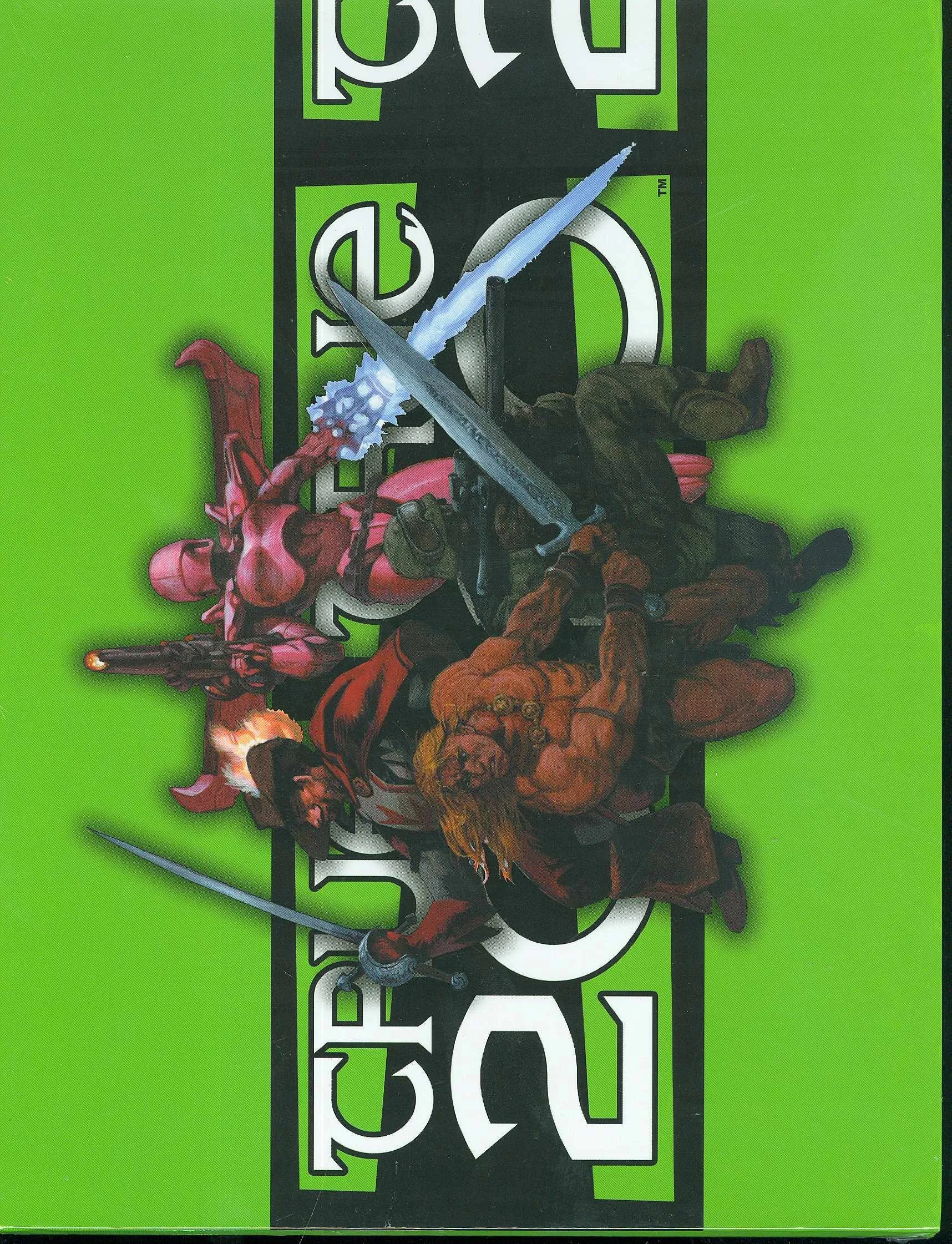
Designer
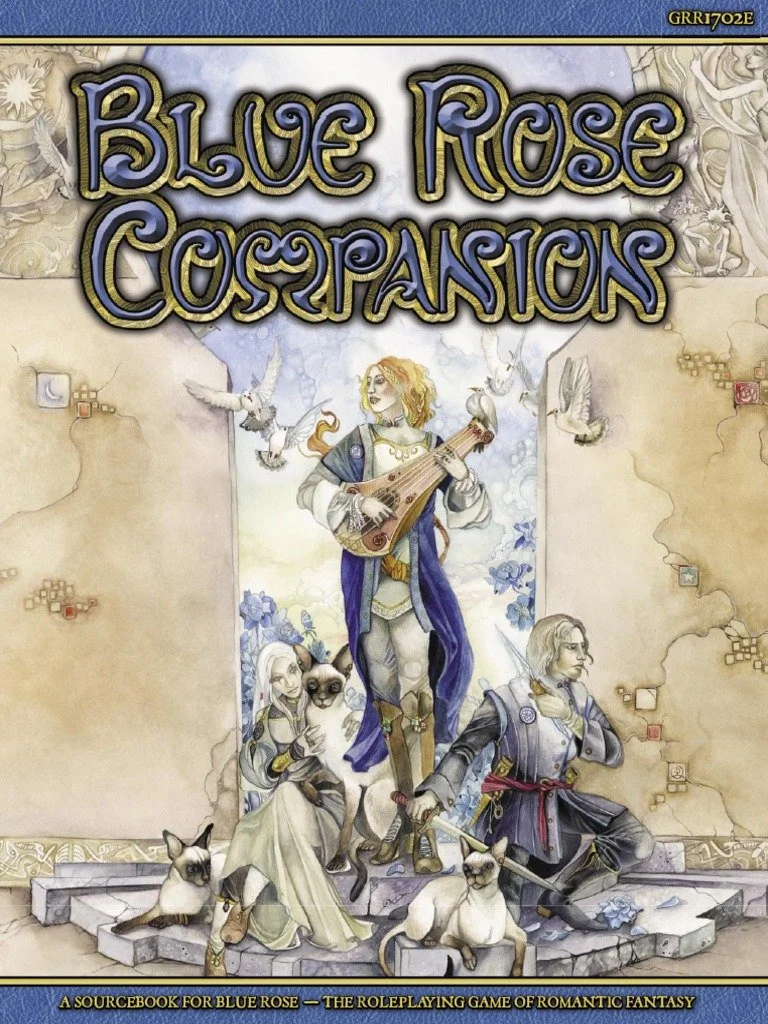
Designer
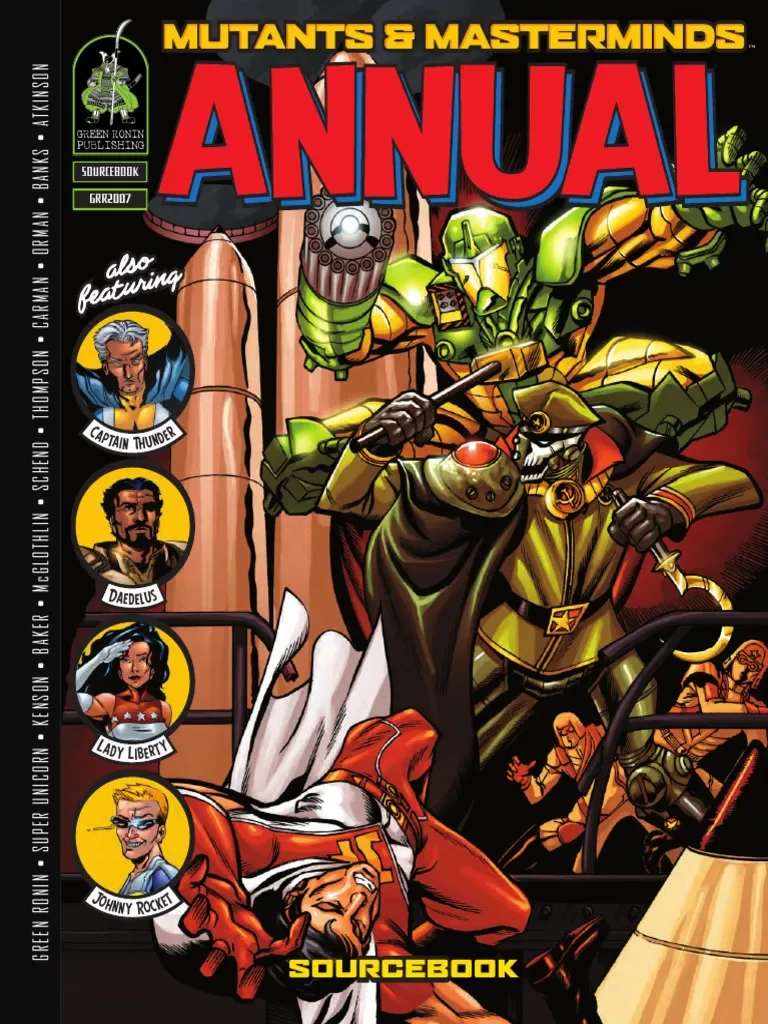
Designer
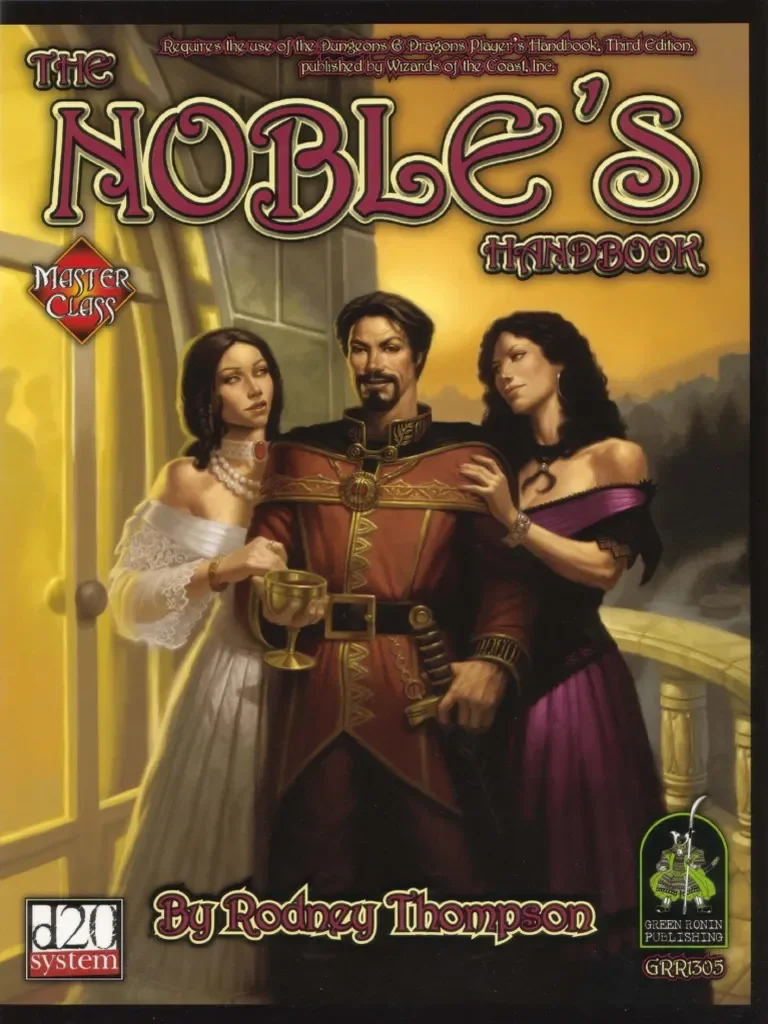
Designer. My first solo project; I wrote this entire book, lore and game mechanics alike.
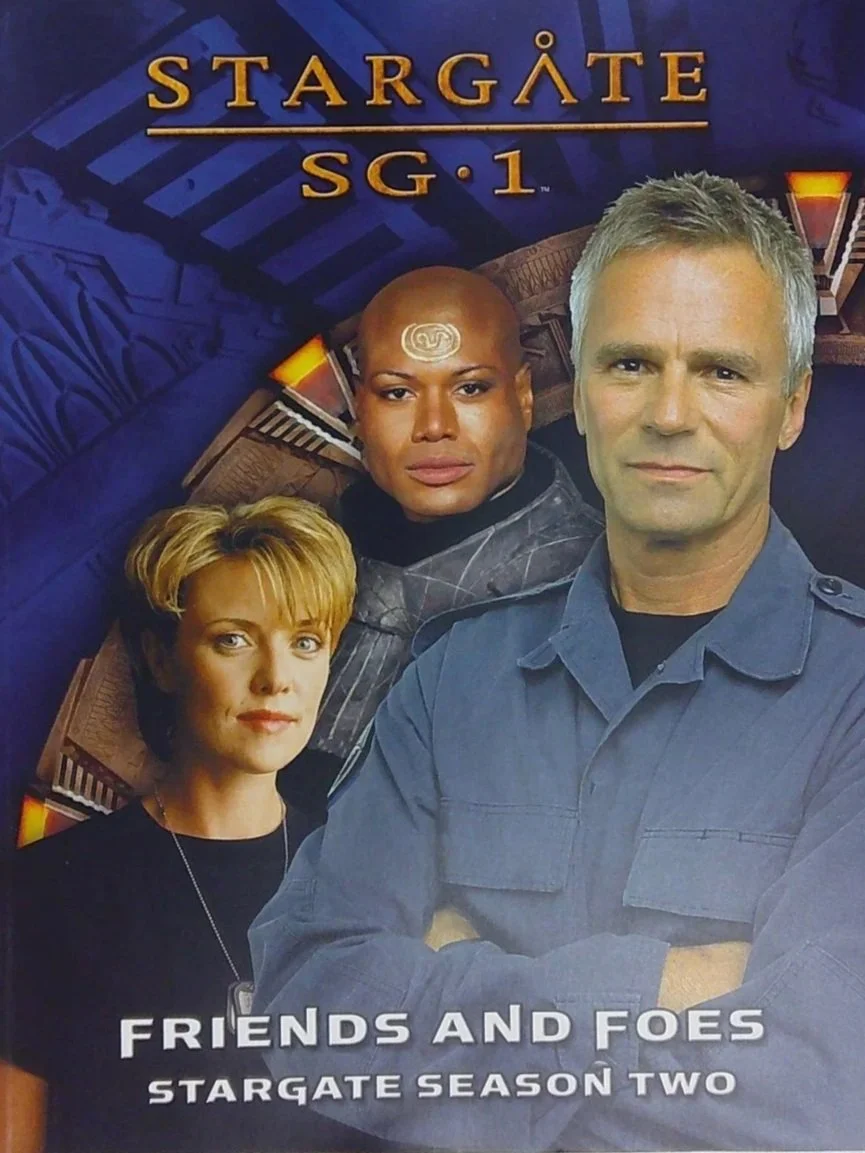
Designer
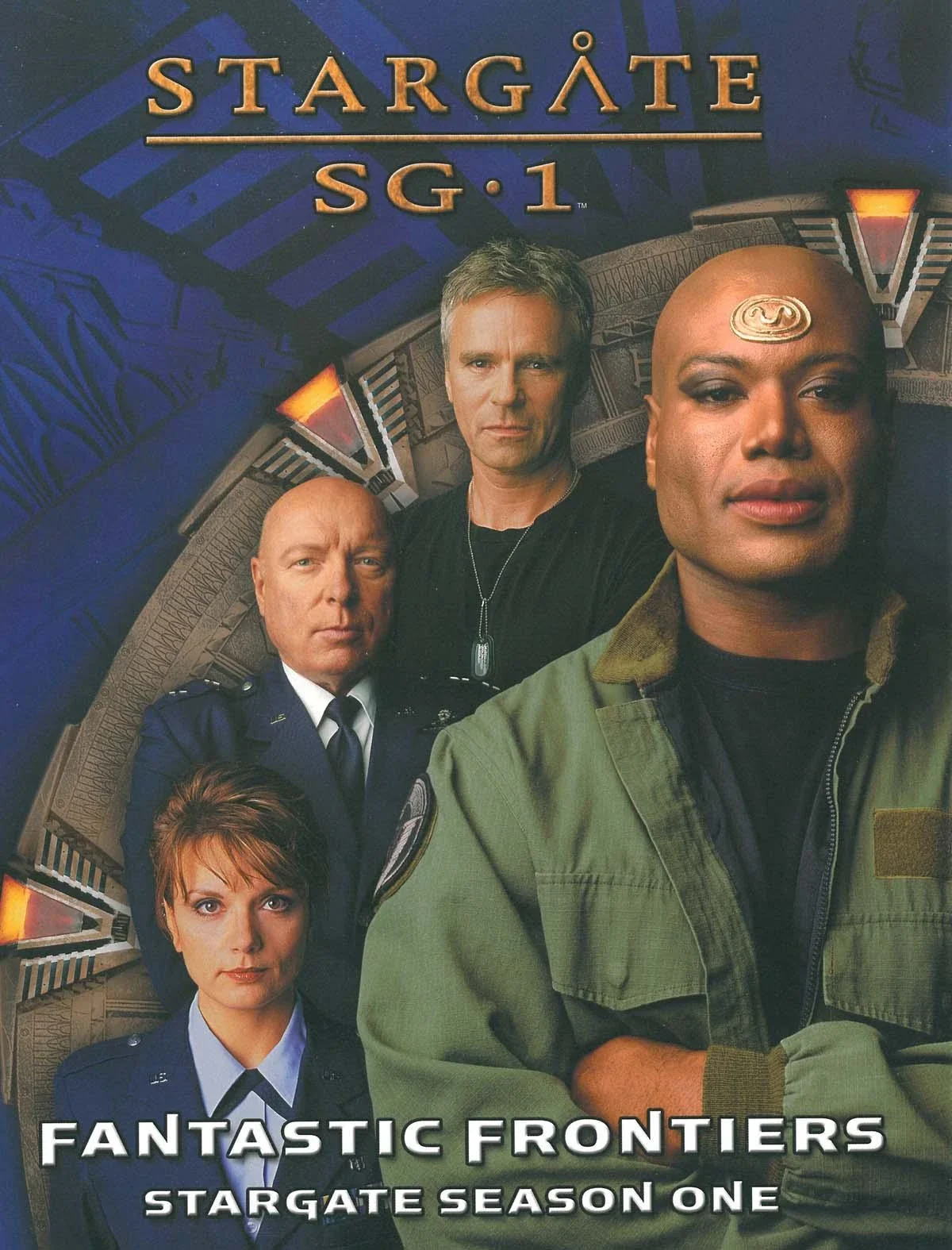
Designer

Designer
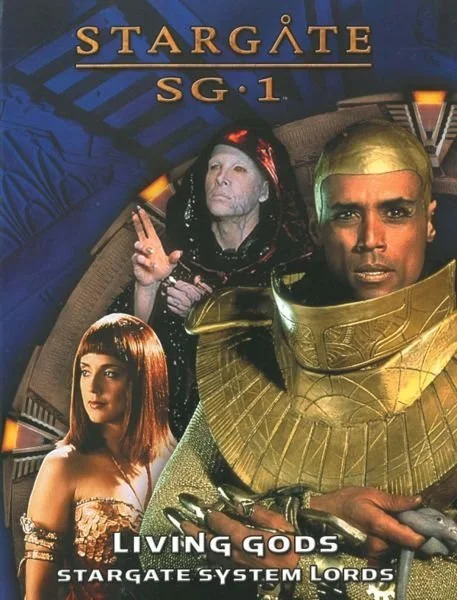
Designer
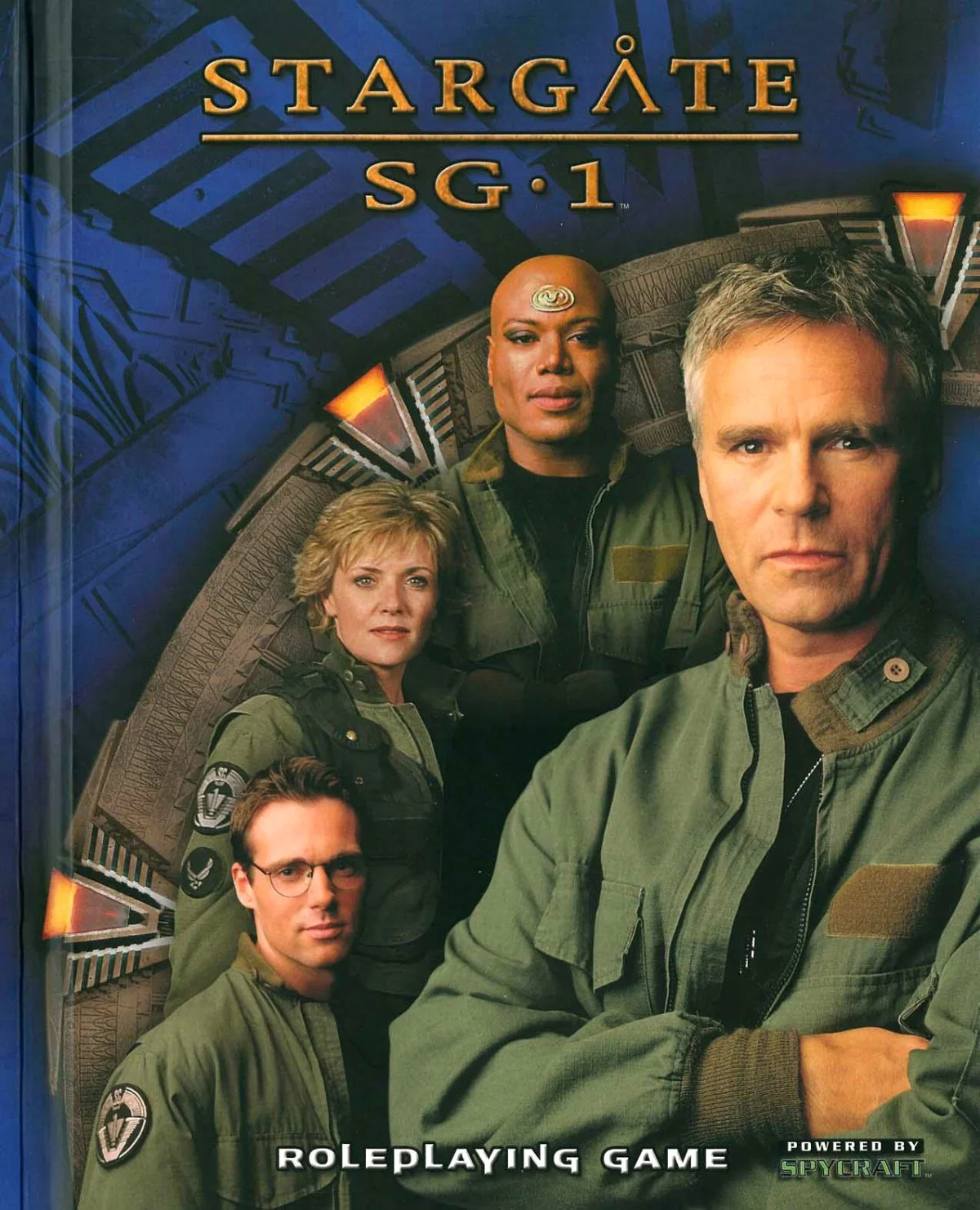
Designer. Early in my freelance career, I was invited to join the Spycraft design team, which mostly involved being part of an online brain trust helping the core Spycraft designers evolve their mechanical ideas. The first actual design I did as a member of this team was for the Stargate SG-1 Roleplaying Game, which was based on the Spycraft mechanics. I'd seen the show but not watched it religiously, and joining the design team for this game resulted in me buying all of the seasons on DVD and getting many of my friends hooked on the show. This book also taught me a very painful lesson in the importance of care in crafting my work, as a copy-paste error resulted in an embarrassing mistake that I should have caught but somehow made it to print.
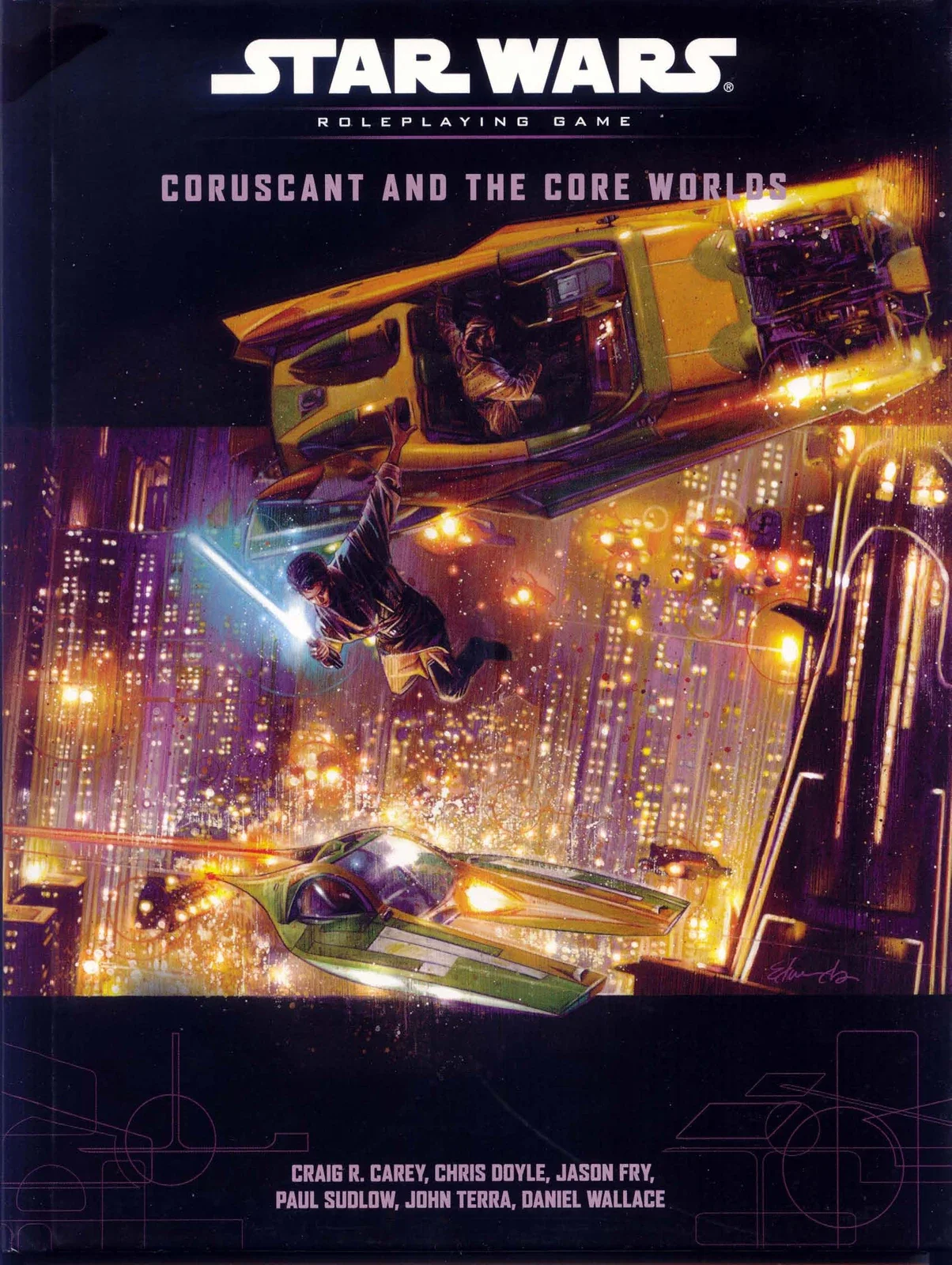
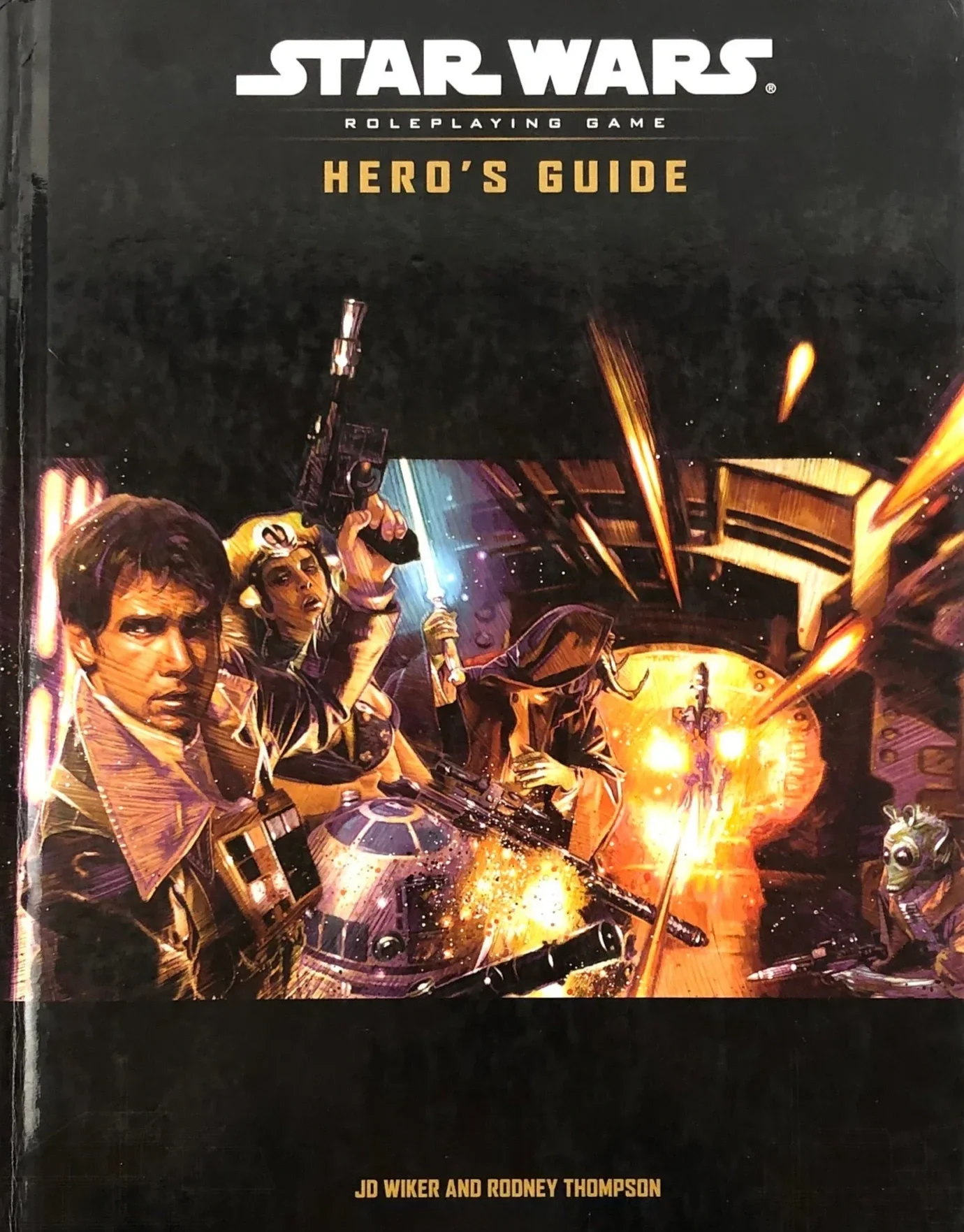
Designer. My first professional design credit for a book. Chris Perkins offered me this freelance contract at exactly the right time; I was about to have to drop out of college because I couldn't afford tuition, and the payment for this project allowed me to stay in school. This project also let me work with JD Wiker for the first time, with whom I had communicated in the past for the Star Wars RPG fan website I ran, and who continues to be a friend today.
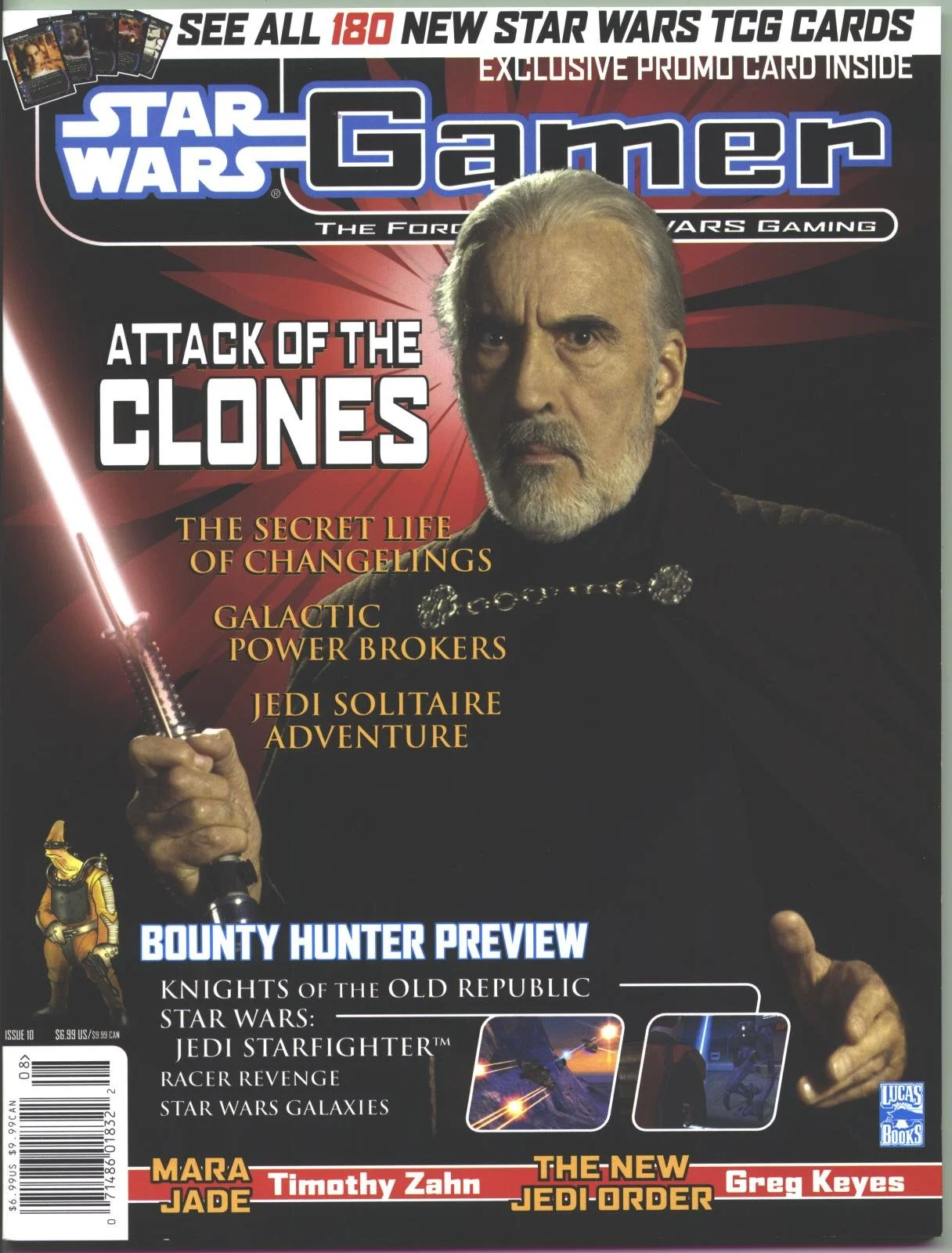
Designer. My very first design credit, an article about playing medics in the Star Wars RPG. Fun fact: this article was mistakenly credited to Gary Sarli (a colleague of mine in the games industry), which was a bit soul-crushing when the magazine finally arrived. 20-year-old me was devastated, but this opened the door to the gaming industry.